I. What are Thermage and HIFU? Understand the basic principles at once
🎯 In South Korea’s medical aesthetics market, Thermage and HIFU are the two most popular non-invasive tightening treatments. Many customers ask during consultations, “Which one should I choose?” This article will provide you with a comprehensive comparison based on technical principles, treatment depth, durability of results, recovery time, and actual prices in South Korea, so that you can make an informed decision before making your appointment.
💡 The core technology of Thermage lies in the use of “Monopolar RF” to directly apply high-frequency electrical current to the dermis and subcutaneous fat layers, thereby stimulating the contraction and regeneration of Collagen. This thermal energy is evenly distributed across the entire treatment area, adhering to the principle of “surface heating,” which results in remarkably noticeable overall skin tightening effects. The current mainstream model is the fourth-generation Thermage FLX, which incorporates vibration feedback and real-time ONDO control, significantly enhancing the comfort of the treatment compared to earlier models. If you wish to understand the specific differences between FLX and the older CPT model, you can refer to this article: What are the differences between South Korea’s Thermage FLX and CPT? A side-by-side comparison of effects, pain levels, and prices.
💡 The core technology of HIFU lies in the precise delivery of high-intensity focused ultrasound to a specific depth within the skin, creating Thermal Coagulation Points at these target locations and stimulating the collagen regeneration in the SMAS fascia layer. The advantage of HIFU lies in its “point-specific deep heating” mechanism, which allows it to reach the deepest layers of the skin (up to 4.5 mm) and even the fascia layer, resulting in particularly effective lifting effects on deeper structural areas. Common brands on the market include Ultherapy, Doublo Gold, and SOLTA.
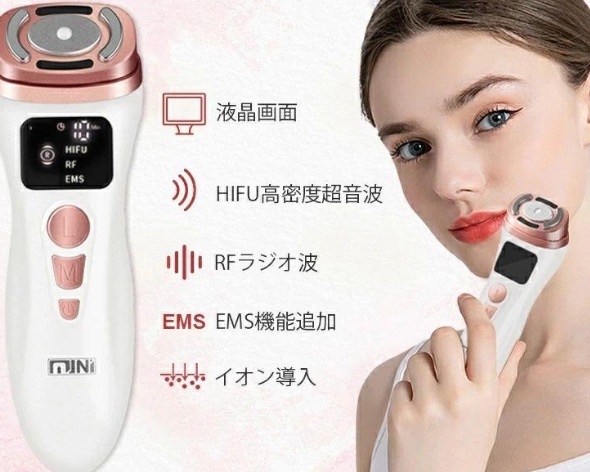
▲ Schematic diagram of the HIFU treatment process
II. Thermage vs HIFU: A comprehensive comparison of core technologies
🔬 To choose the right treatment option, it is essential to understand the fundamental technical differences between them. The following comparison is conducted from four aspects: depth of effect, form of energy used, scope of treatment, and applicable areas.
📊 1. Comparison of the depth of action
💡 The thermal penetration depth of HIFU usually ranges from 1.5mm to 4.3mm (depending on the specifications of the probe), and it primarily targets the dermis and subcutaneous fat layers. In contrast, HIFU offers three different probe depths: 1.5mm (for superficial areas), 3.0mm (for the deeper dermis), and 4.5mm (for the SMAS layer), providing greater flexibility. Especially at the 4.5mm depth targeting the SMAS layer, HIFU achieves effects that Thermage cannot directly achieve.
📊 2. Comparison of Energy Forms and Their Associated Sensations
⚡ HIFU uses RF current for heating; during treatment, the entire face experiences a continuous sense of heat. Thanks to its vibration mechanism, the discomfort is significantly reduced compared to the older models. However, a full-face treatment still takes 45–90 minutes. On the other hand, HIFU utilizes ultrasonic energy, and each treatment session involves brief moments of “stinging pain” – particularly in areas with thinner fascia, such as the jawline and neck. Although the pain is more intense than that experienced with HIFU, the treatment duration is relatively shorter (30–45 minutes).
📊 3. Comparison of treatment scope
🎯 The probe of the HIFU device is ideal for treating large areas. A single treatment on the entire face, involving 900 pulses, can evenly target all areas of sagging skin, especially providing remarkable results for the Nasolabial Fold Correction and the contours of the lower cheeks. Since the HIFU technology uses “spot-focused” energy delivery, it requires the operator to perform precise positioning, making it particularly suitable for targeted local rejuvenation treatments such as the Nasolabial Fold Correction, the definition of the jawline, and the treatment of neck sagging.
📊 4. Comparison of applicable areas
💆 Thermage can be safely used on the entire face (including the eye area, for which a special probe is required), the neck, and various other body areas such as the abdomen and Thighs. HIFU, on the other hand, is primarily used on the face and neck, achieving a lifting effect similar to that of surgical procedures by applying heat at the precise coagulation points of the SMAS fascia.
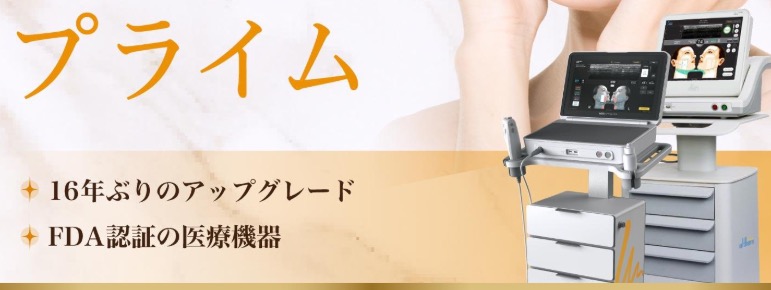
▲ Schematic diagram of HIFU probes at different depths
III. Effect Comparison: Whose lifting results are better? How long do they last?
✨ Efficacy is undoubtedly the most important concern for most people. Based on the clinical experience of Dermatology doctors in South Korea and numerous feedbacks from real users, there are significant differences in the efficacy characteristics of the two options:
🌟 1. Immediate results
💡 The immediate effects of HIFU are relatively mild; on the day of treatment, the skin may feel slightly tightened, but the full benefits usually become apparent only after 3 to 6 months, during the collagen regeneration process. In contrast, HIFU provides a more noticeable immediate Lifting effect. Within a few days after the procedure, patients can observe a tightening of the jawline and a Lifting of the facial contours, thanks to the contraction of the SMAS fascia at its thermal coagulation point.
🕐 2. Long-lasting effects
📅 The effects of Thermage generally last for 12 to 24 months (about 1 to 2 years), as the process of Collagen regeneration stimulated by radiofrequency energy is relatively long-lasting and stable. The duration of HIFU’s effects usually ranges from 6 to 18 months, and some doctors recommend a follow-up treatment every 6 to 12 months. If you want to learn more about how long the effects of Thermage last, you can read this article: How long do the effects of South Korea’s Thermage last? An analysis of changes in results after 3 months, 6 months, and 1 year.
💪 3. Suitable for various skin types
🎯 HIFU is more suitable for those whose skin has begun to loosen but has not yet developed obvious sagging, who wish to improve the overall quality of their skin (collagen production helps to make the skin look fuller and more radiant), and who do not want too noticeable lifting effects but prefer long-lasting results. HIFU is also ideal for those with pronounced Nasolabial Fold Correction, unclear jawlines, significant neck laxity, or who need targeted localized lifting – the effects are similar to those of “scarless facelifts”.
📊 4. The combined effects of the two
🔥 In South Korea, the most popular treatment combination is actually “Thermage + HIFU”. These two treatments act at different depths: radiofrequency improves the overall texture of the skin, while HIFU targets the SMAS fascia to Lifting the facial contours. The combined effect is truly “1+1>2”. This is also why many people who come to South Korea for cosmetic procedures choose to undergo both treatments at once.
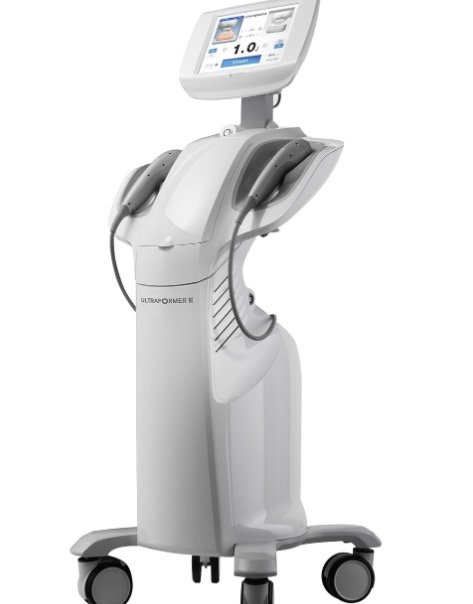
▲ Demonstration of the effects of HIFU treatment

IV. Comparison of Recovery Times: Who Has a Shorter Shutdown Period?
⚠️ For those who need to return to work regularly and don’t want others to notice any changes, the recovery period is an extremely important factor to consider. There are some differences in the postoperative reactions between these two procedures:
🩹 Postoperative reactions to Thermage treatment:
💊 Common side effects after Thermage treatment include: 1. Slight swelling of the face (usually subsides within 24-48 hours); 2. Redness of the skin (usually disappears within 4-6 hours); 3. Mild sensitivity or stinging sensations (lasting 1-3 days); 4. Occasional fat atrophy or indentations (very rare and related to the energy settings used during the treatment).
✅ Generally speaking, on the second day after the Thermage treatment, it is usually possible to return to work and wear light makeup. For most patients, the recovery period after the treatment does not exceed 1-2 days, making it a procedure with a short recovery time. For more details on the recovery process after Thermage treatment, please refer to: How long is the recovery period after Thermage in South Korea? A comprehensive analysis of the changes at 1 day, 7 days, and 30 days after the treatment.
🩹 Reactions after HIFU treatment:
💊 Common side effects after HIFU treatment include: 1. Bruising may appear on the jawline or neck (this occurs in a small number of people and usually subsides within 1–2 weeks); 2. Local nerve sensitivity or numbness, especially around the jawline, which may persist for several weeks; 3. Mild swelling (lasting 1–3 days); 4. Stinging or discomfort at the injection site (lasting 1–2 days).
⚠️ The postoperative reactions to HIFU are relatively uncertain. In some cases, due to irritation of the fascia layer, patients may experience mild numbness or tightness along the jawline within 1 week after the procedure, which is a normal neurological response. The overall recovery period ranges from 1 to 3 days, although those with more sensitive constitutions may require an longer recovery time.
📊 Quick Reference Comparison Table for Recovery Period:
| Project | Thermage | HIFU |
|---|---|---|
| Swelling time | Within 24 to 48 hours | 1 to 3 days |
| Downtime | 1-2 days | 1 to 3 days |
| pain sensation | Moderate (persistent warmth) | More intense (stinging sensations) |
| Risk of bruising | low | From low to medium |
| numbness | Rare | It may occur in the lower jaw area. |
| You can apply makeup after the procedure. | You can wear light makeup the next day. | You can wear makeup 1 to 2 days after the procedure. |
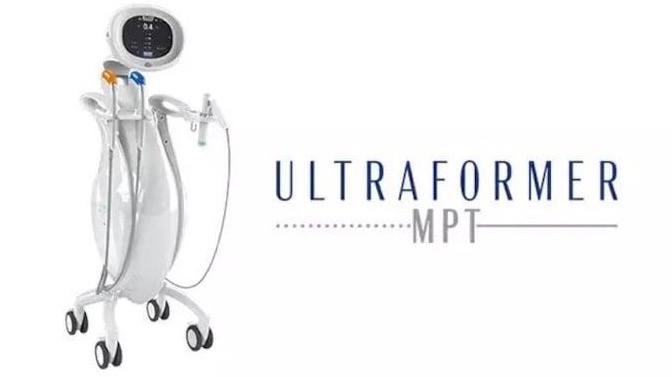
▲ Illustration of post-HIFU care and recovery period
V. Price comparison in South Korea: Thermage vs HIFU – which one is more cost-effective?
💰 What attracts people most about seeking medical beauty treatments in South Korea is the price advantage. The following information provides an overview of the market trends in major areas of South Korea in 2026, namely Seoul Gangnam and Myeongdong. The data is compiled from publicly available sources; for actual fees, please refer to the official prices listed by each clinic.
💳 1. Market trends of Thermage FLX in South Korea
🏷️ The price of a full-face treatment with Thermage FLX (using the standard dosage) in Gangnam, Seoul, ranges approximately from 600,000 to 1.2 million Korean won (about NT$15,000 to NT$30,000), and this price varies depending on the quality of the clinic and the qualifications of the doctor. Some clinics offer additional packages that include 100 treatments for the eye area and 200 treatments for the neck, with prices ranging from 900,000 to 1.5 million Korean won. Compared to Taiwan, Thermage treatments in South Korea usually cost 30% to 50% less, which is why many people travel specifically to South Korea for such procedures. For a detailed analysis of the prices, please refer to: “Why is the price of Thermage treatments so different in South Korea? What’s the difference between 3 million Korean won and 9 million Korean won?”
💳 2. Market trends of HIFU in South Korea
🏷️ In South Korea, the market demand for HIFU devices such as Ultherapy is relatively lower compared to Thermage. The cost of a full-face treatment using HIFU, including the neck area, ranges from 400,000 to 800,000 South Korean won (approximately NT$10,000 to NT$20,000). Domestic South Korean brands of HIFU devices, such as Doublo Gold, offer more affordable prices, with full-face treatments costing around 200,000 to 500,000 South Korean won. However, the original models manufactured by Ultherapy itself tend to be more expensive due to the brand’s premium image.
📊 3. Cost-effectiveness and combination options
🎯 Many clinics in South Korea offer a “Thermage + HIFU package”. The combined price is usually about 30% cheaper than purchasing the two treatments separately, ranging from 1 million to 1.8 million South Korean won. If you plan to undergo these two treatments in South Korea anyway, it is highly recommended that you inquire about the package price, as it is generally much more affordable than buying them individually.
💡 Note: The duration of effects achieved by HIFU is shorter than that of Thermage, which means more frequent follow-up visits are required. In the long run, the total cost may not necessarily be lower. It is recommended to take into account the “annual maintenance costs” when making comparisons, rather than focusing solely on the initial price.
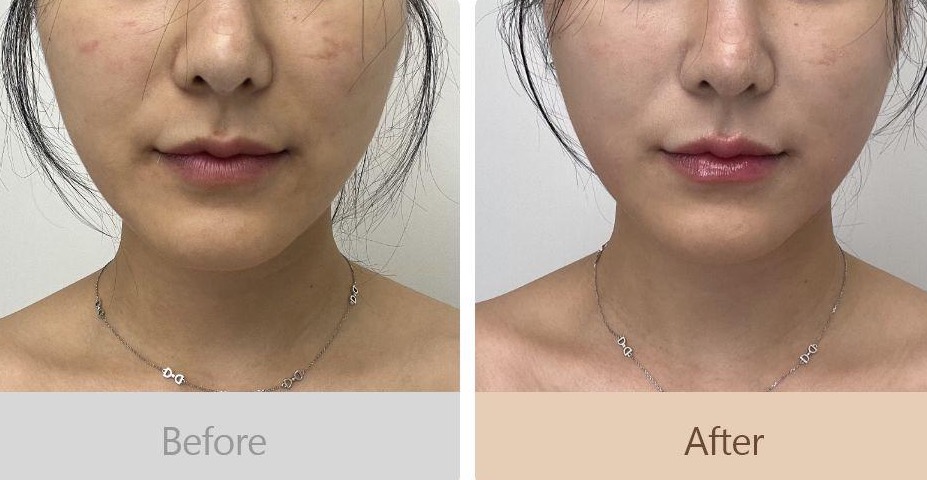
▲ References for HIFU treatments in South Korea
VI. Who is suitable for HIFU? Who is suitable for the HIFU treatment?
🎯 Based on the comparison of these technologies and their effects, we have identified the most suitable target groups for each of these two treatments, to help you make an informed decision more quickly:
✅ Reasons to choose Thermage (suitable for you, if⋯⋯)
💆 You would be a better candidate for Thermage if you meet any of the following criteria: 1. Your skin has begun to show mild to moderate signs of relaxation, but it has not yet reached the point of obvious sagging; 2. You are looking to improve the overall quality of your skin (such as collagen production and skin fullness), rather than just enhancing facial contours; 3. You plan to have treatments every 1-2 years and do not want to frequent follow-up appointments too often; 4. You have noticeable sagging around the eyes and require the use of specialized probes for this area; 5. You wish to achieve firming results in areas such as the abdomen and Thighs; 6. You have a low tolerance for pain and prefer a more comfortable treatment experience. If you are still unsure whether this treatment is right for you, you may want to read this reference article: At what age is it best to start Thermage treatment in South Korea? What are the differences in results at 30, 40, or 50 years old?
✅ Reasons for choosing HIFU (it’s suitable for you if…)
💆 You would be a better candidate for HIFU if you meet the following criteria: 1. You have obvious Nasolabial Fold Correction, Marionette Line Correction, or a blurred lower jaw line; 2. Your neck is loose, with wrinkles or sagging; 3. You want to see immediate results (significant improvement can be observed as early as 1 month after the procedure); 4. Your budget is limited, but you still want to target specific areas for improvement; 5. You have already undergone Thermage treatment and wish to further enhance the lifting effect on your deep skin structures.
🔥 Do both – this is the most recommended option.
💡 If your budget allows it and you are seeking both overall improvement of skin quality and contour tightening, the ideal approach is to “first undergo Thermage treatment, and then have HIFU 2–4 weeks later”. These two treatments operate at different levels, and combining them yields the most comprehensive anti-aging and tightening results. This is practically the anti-aging regimen most frequently recommended by top Dermatology experts in South Korea.
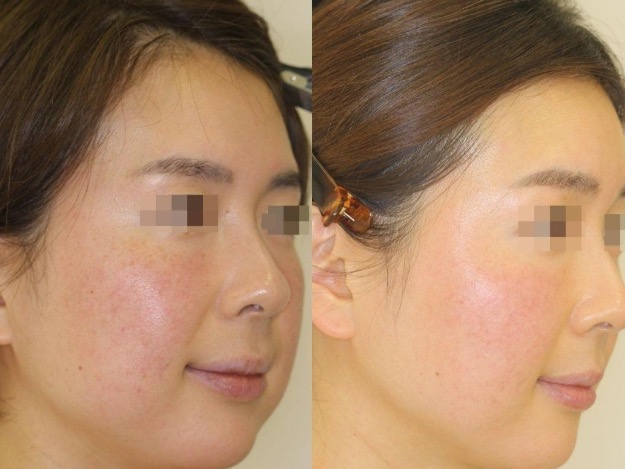
▲ The on-site environment during the HIFU treatment
VII. What should one consider when choosing a clinic for Thermage or HIFU treatments in South Korea?
🏥 When choosing to undergo Thermage or HIFU treatment in South Korea, the selection of the clinic is of utmost importance. The following key points must be taken into consideration:
🔍 1. Verify whether the model of the device is an original and genuine product.
⚠️ There are many counterfeit devices on the market – fake HIFUs and Thermage versions that are not the FLX model – being sold under the original manufacturers’ names at low prices. Their effectiveness and safety are highly doubtful. Before making an appointment, make sure that the clinic uses certified original equipment such as Thermage FLX (produced by Solta Medical) or Ultherapy (produced by Merz Aesthetics).
🔍 2. Verify whether the procedure is performed by a physician in person.
💊 In South Korea, legitimate medical procedures must be performed by licensed physicians. Some clinics, in order to cut costs, hire nurses or assistants to carry out treatments—this is both illegal and unsafe. When choosing a clinic, it is important to look for those that emphasize “personal consultations by the director” or “treatments conducted by physicians.” For example, Otena Dermatology in Myeongdong takes personal consultations by the director as its core selling point, ensuring that treatments are not carried out in a standardized, assembly-line manner.
🔍 3. Are the Chinese-language services comprehensive enough?
💬 For customers whose mother tongue is not Korean, communication is of utmost importance, especially during pre-treatment consultations, where it is essential to clearly explain one’s skin condition and desired results. Poor communication can easily lead to the selection of a treatment plan that is not suitable for the individual. For more information, you may refer to: “Which clinic in South Korea offers the best Chinese-language service for Thermage treatments? A comparative review of 5 popular medical beauty clinics in Seoul in 2026” to find clinics that provide Chinese translation services.
🔍 4. Post-operative follow-up services
📱 Reputable clinics offer post-treatment follow-up services via LINE or WeChat, ensuring that you can contact your doctor or professional assistant whenever you have any questions after returning home. Oganacell Dermatology has an excellent reputation in this regard, providing comprehensive Chinese-language post-treatment support services.
🔍 5. Don’t be tempted by extremely low prices
⚠️ If a clinic offers a price for Thermage treatment that is significantly lower than the market average (for example, only 200,000 South Korean wones for a full-face treatment), you should be extremely cautious. It is very likely that the device used is older, the number of treatments delivered is insufficient, or non-original consumables are being employed, resulting in disappointing outcomes. It is recommended to refer to the market average and choose a reputable clinic that provides transparent pricing. If you are unsure about the reasonable price range for Thermage treatment in South Korea, you may want to read this article: “Is 900 treatments with Thermage enough? A price comparison between Seoul’s Gangnam area and Busan + recommendations for 5 clinics.”
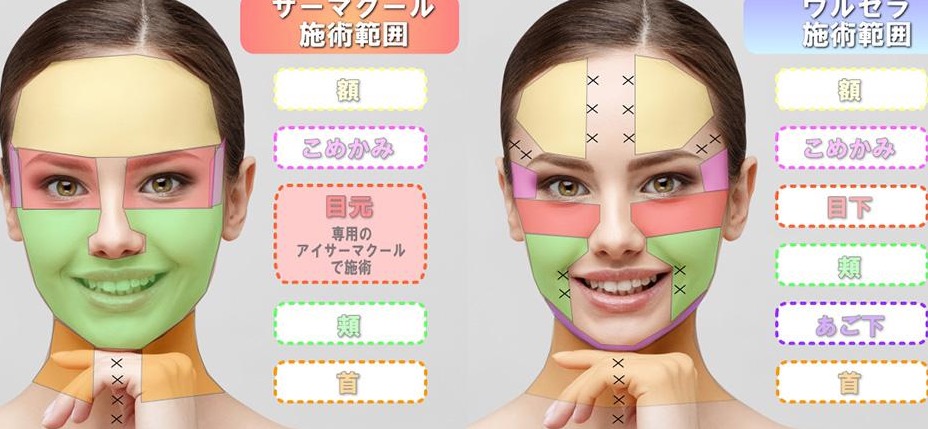
▲ Reference to the environment of HIFU clinics in South Korea
VIII. Comprehensive Comparison Table between Thermage and HIFU
📊 To make it easier for you to understand, we have compiled the following comprehensive comparison table to help you make your choice more effortlessly:
| Comparison Items | Thermage FLX | HIFU |
|---|---|---|
| Technical principles | Monopolar Radio Frequency (RF) | High-intensity focused ultrasound (HIFU) |
| Depth of Effect | 1.5 to 4.3 millimeters | 1.5 / 3.0 / 4.5mm |
| Main benefits | Overall firming effects, improved skin quality, and collagen regeneration | Local Lifting, Contour Remodeling, and SMAS Fascia Lifting |
| Immediate results | Mild effects, with noticeable results appearing after 3 to 6 months. | Clearly, these effects can be observed one month after the procedure. |
| The effects last for a long time. | 12 to 24 months ✅ | 6 to 18 months |
| pain sensation | Medium (mild warmth) | More intense (stabbing pain) |
| Recovery period | 1-2 days ✅ | 1 to 3 days |
| Reference prices in South Korea | 600,000 to 1.5 million Korean won | 200,000 to 800,000 Korean won ✅ |
| Applicable areas | Whole face, eye area, neck, and body | Face and Neck |
| Most suitable for | Mild to moderate relaxation and overall improvement in skin quality | Blurred contours and lifted jawline |
IX. Let me share with you how I make my appointments.
✈️ If you are considering coming to South Korea for Thermage or HIFU treatments, the following are the reservation methods available. You are welcome to contact us through any of these channels:
The recommended reservation method
Long-press to scan the QR code, or search for the WeChat ID to add. Please note in the remarks: “South Korea Medical Aesthetics Appointment”.
WeChat ID: F394666
- It is recommended to make a reservation 1-2 weeks in advance, as the number of spots is limited during peak periods.
- If you need to change the scheduled time, please notify us at least 48 hours in advance.
- After making the reservation, please pay attention to the reply via LINE or email to confirm that the reservation has been successfully processed.
- Don’t know how to make an appointment for medical beauty treatments in South Korea? You might want to start by reading this: Is it really worth flying all the way just for Thermage treatments in South Korea? A comprehensive analysis and practical experiences from 2026.
X. Frequently Asked Questions
1. Can Thermage and HIFU be performed on the same day? 💡
💊 Certainly. Thermage and HIFU work at different levels and do not interfere with each other. Some clinics in South Korea offer “combined treatment packages on the same day”, where the same doctor performs the entire procedure to ensure safe settings for the energy applied. For patients with sensitive skin or those trying this treatment for the first time, it is recommended to schedule the treatments separately.
2. When using the HIFU to target the SMAS fascia layer, is there a risk of damaging nerves? ⚠️
⚠️ At a depth of 4.5 mm, the HIFU beam indeed approaches certain areas where facial nerves are located, which is why some patients may experience temporary numbness after the procedure. However, when using equipment from reputable brands and under the operation of experienced physicians, the risk of nerve damage is extremely low. If the numbness persists for more than 2 to 4 weeks after the treatment, it is essential to seek follow-up evaluation promptly. Choosing a well-reputed clinic and ensuring that the physician possesses the necessary qualifications are the most effective ways to minimize this risk.
3. Will Rima’s face become stiff after the procedure? 💆
🔬 This is a very common concern. Proper Thermage treatment (with the right energy settings and performed by an experienced physician) will not cause the face to become stiff, as the radiofrequency heat primarily affects the dermis and subcutaneous fat layers, without impacting the facial muscles. Cases of “stiff faces” are usually due to excessive energy levels or improper procedures, which lead to excessive contraction of the fat layers. For a detailed analysis, please read: Will Thermage treatment in South Korea cause the face to become stiff? Analysis of real cases and post-treatment recovery times.
4. This is my first time doing this – where should I start? 🎯
💡 It is recommended to start with HIFU: 1. The cost is affordable, making it an ideal option for a low-risk trial; 2. Results are visible relatively quickly – you can already notice skin tightening within 1–2 months; 3. This method allows you to assess your response to energy-based treatments. If you opt for HIFU and later desire more comprehensive skin improvement, adding Thermage treatment is the advanced option most commonly recommended by South Korean doctors.
5. Which cities in South Korea offer these two services? ✈️
🏙️ Both Seoul and Busan offer a wide range of options. In Seoul, the areas of Gangnam and Myeongdong are home to numerous clinics, where competition is fierce and prices are relatively transparent. In Busan, regions such as Seomyeon and Haeundae also boast high-quality services, and prices are usually 10-20% lower than in Seoul. You can choose the city that best suits your travel plans and schedule appointments nearby to avoid additional transportation costs.
6. How long after undergoing HIFU or the HIFU procedure can one expose themselves to the sun? ☀️
🌞 After the procedures for both treatments, it is essential to enhance sun protection. It is recommended to avoid direct sunlight for at least 2 weeks and to use sunscreen with an SPF of 50+ daily. Additionally, it is not advised to engage in sunbathing, saunas, or high-intensity physical activities within 1 month after the procedures.
7. If I have any problems after returning to Taiwan after having the procedure in South Korea, what should I do? 🤔
📱 It is recommended to choose a clinic that offers “remote follow-up services after the procedure”. You can contact the doctor or Chinese-speaking assistant via LINE or WeChat. If you notice any suspected abnormalities after the surgery (such as bruises that do not fade after more than 3 weeks or obvious indentations), you should immediately contact the original clinic. If necessary, seek evaluation from a Dermatology specialist in Taiwan. It is also a wise decision to find a trusted Dermatology clinic in Taiwan before your trip.
XI. Related Reading Recommendations
What are the differences between South Korea’s Thermage FLX and CPT? A side-by-side comparison of their effects, levels of pain, and prices.
A comprehensive comparison of the differences between the fourth-generation FLX and the older CPT model to help you choose the most suitable option for your needs.
How long does the effect of Thermage in South Korea last? An analysis of changes in results after 3 months, 6 months, and 1 year.
Truly track the effects of Thermage at each stage after the treatment to help you set realistic expectations.
At what age is it best to start undergoing cosmetic procedures in South Korea? What are the differences in results at the ages of 30, 40, and 50?
The differences in the effects of Thermage for people of different age groups, and when is the best time to start using it
Which clinic in South Korea offers the best Chinese-language service for thermage treatments? A practical comparison of 5 popular thermage clinics in Seoul in 2026.
We have carefully selected 5 Dermatology clinics in Seoul that offer Chinese-speaking services, so that language will no longer be an obstacle.
Is 900 treatments with Thermage in South Korea enough? Price comparison between Gangnam, Seoul and Busan + recommendations for 5 clinics.
What is the price difference between Thermage treatments in Gangnam and Busan? Complete quotes from 5 recommended clinics.
Step-by-step guide to making appointments: A review of South Korea’s Oganacell Dermatology clinic + honest evaluations of hidden fees.
A comprehensive guide to making appointments at Ogana Dermatology, along with real experiences shared by patients – no hidden fees or hidden evaluations.