“Korean dermatology services in Chinese” is one of the top concerns for many Taiwanese tourists considering medical treatments in South Korea in recent years. With the rapid development of medical aesthetics in Korea and the increasing number of international visitors each year, language barriers have become a major concern for many before their trips. If you are planning to undergo medical treatments in Korea but are worried about language obstacles, this article will provide insights based on the actual experiences of Taiwanese people, helping you understand the current situation of Chinese-language services in Korean dermatology clinics, the methods of communication, and how to choose the most suitable option for yourself.
I. Common language issues faced by Taiwanese people undergoing medical treatments in Korea
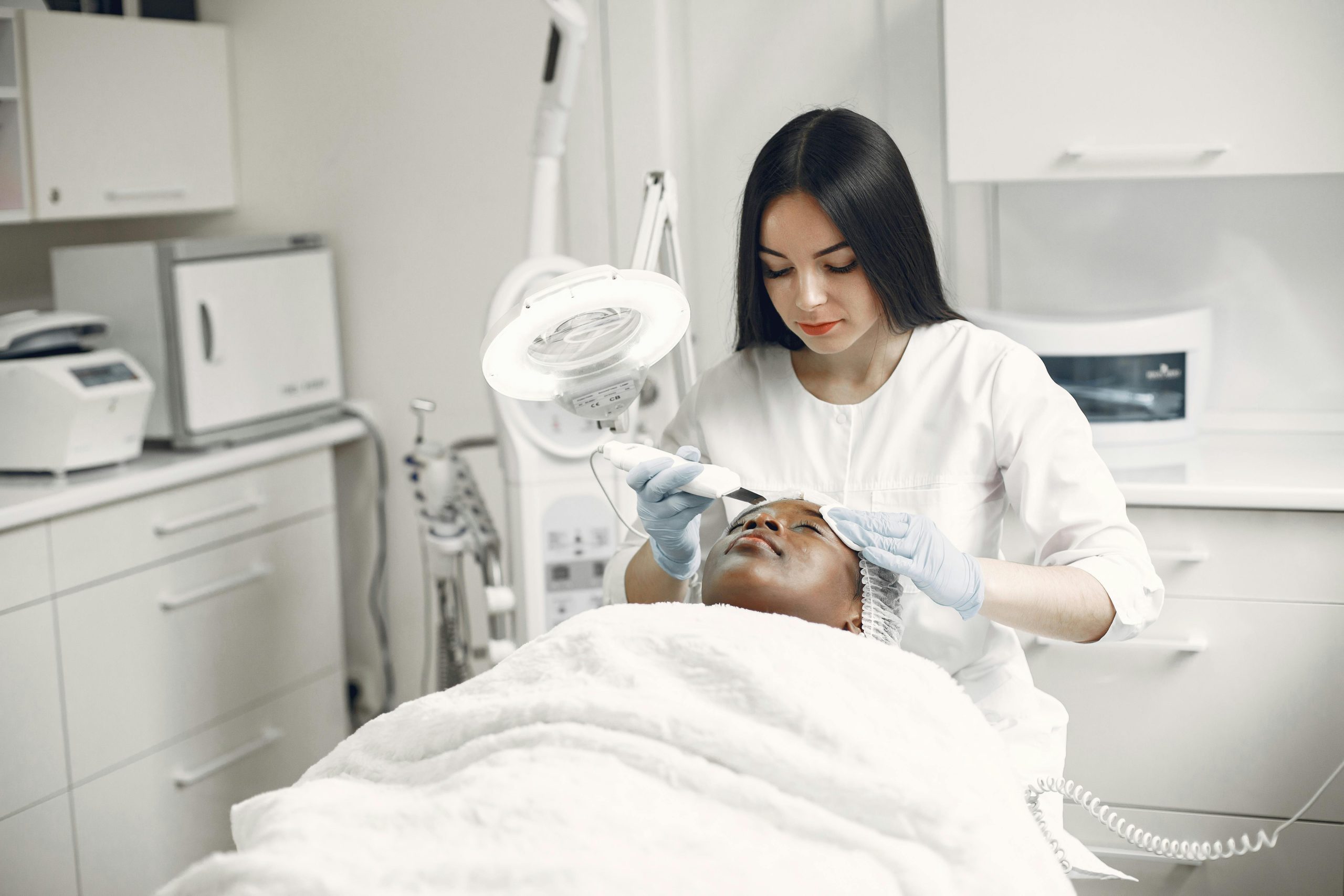
When many Taiwanese tourists go to Korea for medical treatments, the most common problem they encounter is not finding a good clinic, but rather “how to communicate effectively with doctors.” Professional medical terms in Korean are quite difficult for foreigners to understand, and even those with basic Korean language skills for travel often struggle to accurately express their aesthetic preferences.
Based on interviews with over a dozen Taiwanese tourists who have undergone medical treatments in Korea, the most common difficulties include:
- Not knowing how to describe the desired surgical results or cosmetic procedures
- Not being able to understand the prices or consent forms provided by the clinics
- Not understanding the instructions for post-treatment care
- Being unable to clearly communicate the desired appointment time or treatment options when making reservations
- Not knowing how to report any issues after the procedure to the clinic
Although these issues may seem trivial, they can significantly affect the overall experience of receiving medical treatment. Therefore, it is important to understand the real challenges related to language barriers before traveling to Korea to ensure a smoother journey.
II. Do Korean dermatology clinics really offer Chinese-language services? (Current situation analysis)
The answer is not black and white. There are clear differences in Chinese-language services among Korean dermatology clinics, depending on whether they are located in urban or rural areas, their size, and their target customer groups.
Which clinics are more likely to offer Chinese-language services?
Generally speaking, the following types of clinics are more willing or better able to provide Chinese-language services:
- Large chain cosmetic surgery groups: Such as ID Hospital, BK Plastic Surgery Hospital, etc., which have dedicated international departments and employ full-time interpreters.
- Clinics located in tourist areas: In areas with a high number of foreign visitors, such as Gangnam, Myeongdong, and Hongdae, some clinics provide Chinese-speaking customer service.
- Clinics targeting foreign customers: Some clinics specifically target Chinese, Hong Kong, and Taiwanese tourists; their websites even offer Chinese versions.
- Clinics cooperating with booking platforms: Clinics that partner with booking platforms like BeautsGO usually have dedicated Chinese-language service channels.
In what situations is it harder to find Chinese-language services?
Conversely, it is relatively more difficult to find Chinese-language services in the following situations:
- Local small clinics in non-tourist areas
- Specialized clinics mainly serving local Korean patients
- Independent dermatology clinics (such as Seomyeon Dermatology)
- Specialized treatments for chronic skin conditions like atopic dermatitis and psoriasis
Overall, the use of Chinese-language communication in Korean cosmetic medicine is more widespread than one might expect, but just because it’s available doesn’t mean it’s easily accessible everywhere. It’s still important to do some research before traveling.
III. Comparison of three common communication methods (key paragraph)
The most commonly used communication methods by Taiwanese tourists can be roughly divided into three categories. The following comparison is based on convenience, cost, and effectiveness:
Method 1: Clinics with Chinese-speaking staff
Explanation: Some large clinics or chain brands have staff who speak Chinese, allowing patients to communicate their needs directly with doctors.
- Convenience: ★★★★★ (highest rating)
- Cost: Free (included in the treatment fee)
- Effect: Good, but depends on the professional competence of the staff
Advantages: Immediate communication on-site reduces the chance of misunderstandings, and issues can be raised promptly.
Disadvantages: Not all clinics offer this service, and the staff may be attending to multiple clients at the same time, so waiting times may be longer.
Option Two: Use translation or booking services
Explanation: You can use booking platforms like BeautsGO or hire a medical translator to accompany you during the appointment.
- Convenience: ★★★★☆
- Cost: Free (BeautsGO charges no translation fees to users); private translators typically charge around ¥950,000 to ¥915,000 per session
- Effect: Depends on the quality of the platform’s service or the translator’s expertise
Advantages: Clinics partnered with BeautsGO usually provide basic Chinese support, and you can book appointments and check prices through the platform, eliminating language barriers.
Disadvantages: Private translation services are relatively expensive, and the proficiency of translators in medical terminology varies greatly, so careful selection is necessary.
Method three: Use English yourself or apps for translation
Explanation: Rely on your own English skills or use apps such as Naverpapago or Google Translate to communicate.
- Convenience: ★★★☆☆
- Cost: Free
- Effect: Average; it is difficult to fully express complex treatment plans.
Advantages: Completely free, no need for prior arrangements, and offers the greatest flexibility.
Disadvantages: The translation of medical terms is often inaccurate, leading to misunderstandings; moreover, some Korean doctors have limited English proficiency, which significantly reduces the effectiveness of communication when there are two language barriers.
IV. Are there Chinese-speaking dermatologists in Korea? An honest explanation
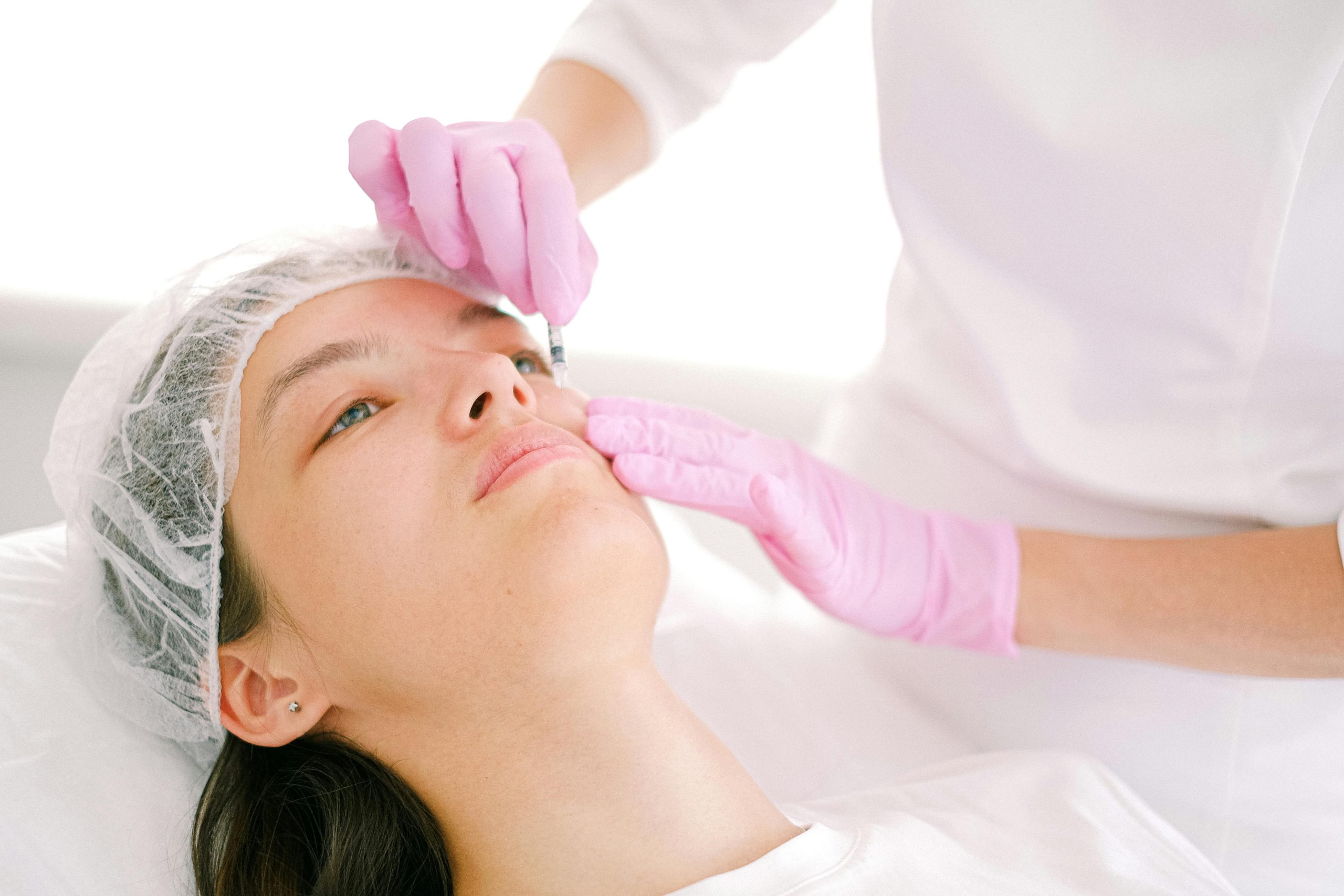
This is a question many people ask: “Are there Chinese-speaking dermatologists in Korea?” The answer is: Currently, there are very few.
Doctors in South Korea must pass the national examination before they can practice. To date, there are no reports of South Korean doctors who primarily use Chinese as their language of communication for patient care. Even among the few doctors of Chinese descent, most conduct their consultations in Korean or English.
However, the so-called “Chinese services” do not necessarily have to be provided by the doctors themselves. In most cases, clinics that offer Chinese services accomplish this in the following ways:
- Hiring staff who speak Chinese to act as a bridge between doctors and patients
- Training nursing or reception staff to have basic Chinese communication skills
- Collaborating with external medical translation services to accompany patients during consultations
Therefore, when choosing a clinic, one should not simply rely on the presence of “Chinese services” to make a decision; it is important to understand whether these services are provided directly by the doctors or through other means of assistance.
V. How are translation fees for medical treatments in South Korea calculated? Are they reasonable?
If you choose to hire a private translator to accompany you during your medical appointments, the costs will generally fall within the following range:
| Type of translation service | Cost range | Explanation |
|---|---|---|
| General travel translation (self-guided tours) | ₩30,000 to ⩽₩80,000 per service | Only basic accompaniment; no medical background required |
| Medical escort translation | ₩80,000 to ⩽₩150,000 per service | Basic knowledge of medical terminology |
| Professional medical translation | ₩150,000 to ⩽₩300,000 per service | Can provide comprehensive health education translation before and after procedures |
| Companionship throughout the day (multiple clinics) | ₩200,000 to ⩲₩400,000 per day | It’s possible to compare prices by visiting multiple clinics in one day |
The above fees are for reference only; actual costs may vary depending on the translator’s experience, the complexity of the treatment, and the duration of the accompaniment.
It’s worth noting that a significant advantage of using platforms like BeautsGO is that many of the clinics collaborating with these platforms already provide some level of Chinese support. Users can thus communicate effectively without incurring additional translation costs. For more complex treatments, considering additional professional translation services may be appropriate.
VI. Real-life experiences shared by Taiwanese people (case studies)
Just looking at data and theories isn’t enough; here are the real-life experiences of two Taiwanese readers for your reference:
Case 1: Mia (28 years old, Taipei) – Rhinoplasty at Jiangnan Jingya
I booked through BeautsGO and chose a well-known plastic surgery clinic in Jiangnan. At that time, I selected a package that included Chinese-speaking customer service; a coordinator who could speak Chinese was present throughout the process, providing translation for both pre-operative consultations and post-operative follow-ups.
Mia said that during the consultation, the Chinese-speaking coordinator helped her clearly convey her desired nose height and bridge shape to the doctor and also explained in detail the differences between various materials. After the surgery, having someone who spoke the same language available meant she could ask any questions about swelling or discomfort immediately, which was very reassuring.
Summary: Choosing a clinic that provides Chinese-speaking customer service and booking through a platform can significantly reduce the anxiety caused by language barriers.
Case 2: Ken (35 years old, Kaohsiung) – Hyaluronic Acid Injection at Hongda Dermatology
“My trip to Korea was mainly for tourism, and I decided on the hyaluronic acid injection at the last minute, so I didn’t arrange for a translator in advance. I used Naverpapago along with gestures, and it went surprisingly well!”
Ken said that although the clinic didn’t have a dedicated Chinese-speaking staff member, the receptionist was quite proficient in English. With the help of the translation app, communication wasn’t a big issue. However, he admitted that for more complex surgical procedures, relying solely on an app might be somewhat risky.
Summary: For basic cosmetic treatments like hyaluronic acid injections or fractional lasers, using a translation app is quite feasible. But for plastic surgeries, it’s still recommended to choose a clinic that offers Chinese support.
VII. How to Choose a Communication Method Suitable for Taiwanese People (Practical Tips)
Based on different situations and needs, here are some specific recommendations:
If you are undergoing minor cosmetic procedures such as injections or laser treatments
These procedures are relatively straightforward, so you can consider using a translation app or choosing a clinic where the staff can communicate in basic English. Nevertheless, it’s still advisable to prepare images of the expected before-and-after results in advance to minimize potential misunderstandings due to language differences.
If you are scheduled for a plastic surgery
It is highly recommended to choose a clinic that provides dedicated Chinese-speaking assistance. Surgeries involve specialized aspects such as anesthesia methods, recovery periods, and postoperative care; misunderstandings in communication can have serious consequences.
If you want to visit multiple clinics in one day to compare prices and get consultations,
it is advisable to hire a translator who can accompany you throughout the day. This will not only help you compare the services offered by different clinics but also prevent the hassle of traveling and dealing with language barriers.
If you don’t understand Korean at all and don’t want to spend money on a translator,
using the BeautsGO platform for reservations is a great option. Most of the clinics listed on the platform can provide basic Chinese-language support, and you can book appointments and check prices directly through the platform, significantly reducing language barriers.
VIII. How to Make Reservations
If you have read this article and are eager to make a reservation for a cosmetic treatment in Korea, here are three of the most convenient ways to do so:
① BeautsGO Reservations (Recommended)
BeautsGO is a platfo
rm specifically designed to assist Taiwanese travelers in booking cosmetic treatments in Korea. It offers services such as clinic search, price comparison, and online reservations, all available in Chinese, eliminating any language barriers.
② LINE Reservations
Join the o
fficial account @901taiqf and send the keyword “reservation.” Our customer service will contact you promptly to provide customized recommendations and reservation arrangements.
③ Email Reservations
Please s
end your name, contact information, expected arrival date, the clinics you are interested in, and the specific treatments you wish to undergo to [email protected]. We will respond within 24 hours.
IX. Frequently Asked Questions
Q1: Do all Korean dermatology clinics offer Chinese-speaking services?
Not necessarily. Whether Chinese services are available depends on the clinic’s size, location, and target audience. Large chain clinics in tourist areas of major cities are more likely to provide Chinese services, while smaller clinics or those in non-tourist areas are less likely to do so. It is recommended to check the language support available at clinics through platforms like BeautsGO before making a appointment.
Q2: Is it necessary to have a translator for medical treatments in Korea?
It depends on the type of treatment. For basic procedures such as hyaluronic acid injections or laser treatments, using a translation app or basic English communication with the clinic is usually sufficient. However, for more invasive procedures, it is recommended to have a Chinese-speaking companion to ensure clear communication before and after the treatment and to reduce the risk of medical misunderstandings.
Q3: Will not knowing Korean affect the outcome of the treatment?
It is possible, but it can be avoided. If you are unable to clearly express your desired results or understand the instructions for post-treatment care, it may lead to suboptimal recovery. Therefore, it is recommended to prepare images of the desired results or reference photos before the treatment and to choose a clinic that provides Chinese-speaking support to ensure that the quality of your treatment is not affected by language barriers.
Q4: Do all the clinics on the BeautsGO platform offer Chinese-language services?
Most of the clinics collaborating with BeautsGO provide some level of Chinese-language support, but the extent varies. It is recommended to confirm in advance through the platform whether there is someone who can communicate in Chinese before making a reservation, to avoid any misunderstandings upon arrival.
Q5: Can the translation fees be negotiated?
For some private translations, fees can be discussed, but it is advisable to prioritize quality over low cost. Professional medical translations usually cost more, but they reduce the risk of communication errors, making them more cost-effective in the long run.
X. Conclusion: Is it possible to undergo cosmetic procedures in Korea without knowing Korean?
Coming back to the initial question: “Do Korean dermatology clinics offer Chinese-language services?” The answer is: It’s possible, but not all clinics do.
Although the language barrier is a concern when considering cosmetic procedures in Korea, it is not insurmountable. Taiwanese travelers can mitigate this by choosing clinics that provide Chinese-language support, using booking platforms, or hiring interpreters.
Here are three key recommendations:
- Do thorough research before the procedure: Find out if the clinic offers Chinese-language services, what the fees are, and what others have said about it.
- Choose a plan that suits your needs: For minor procedures, apps can help; for more major surgeries, it is recommended to have someone accompany you.
- Use a reliable booking platform: BeautsGO provides clinic search and booking services, which can greatly reduce language barriers.
As long as you are well-prepared, language will not be an obstacle to your beauty journey. Start planning your Korean cosmetic surgery trip today!