In recent years, Korean dermatology clinics have become extremely popular in Taiwan, Hong Kong, and Southeast Asia. Whether it’s hyaluronic acid injections, Botox, ultrapulse lasers, or ultrasound therapy, more and more overseas customers are flying to Seoul specifically for cosmetic treatments. However, for those going to a Korean dermatology clinic for the first time, issues such as language barriers, not knowing how to make an appointment, uncertainty about prices, and not being sure what to bring or prepare often deter people from proceeding.
This guide is designed specifically for those going “for the first time.” It covers everything from how to choose a clinic, how to make an appointment, what to pay attention to on the day of the treatment, to how to take care of yourself after the procedure. The article also answers the most common questions from both Taiwanese and overseas customers, so you can be well-prepared before you leave and avoid last-minute hassles in Korea.
First, why do so many people choose to undergo cosmetic treatments in Korea?
There are three main reasons why Korean cosmetic treatments attract so many overseas customers:
- The price advantage is clear: For the same treatment, the cost in Korea is usually only 40% to 60% of what it is in Taiwan or Hong Kong. For example, Botox costs around NT$3,000 to $5,000 per area in Taiwan, while in Korea it is approximately ₩50,000 to ₩80,000 (about NT$1,200 to NT$1,900). Hyaluronic acid injections start at NT$8,000 to NT$15,000 in Taiwan, but in Korea they range from ₩150,000 to ₩300,000 (around NT$3,600 to NT$7,200).
- Korean dermatologists receive rigorous specialized training, and Korea was one of the first countries in the world to introduce and popularize advanced cosmetic equipment such as ultrapulse lasers like PicoSure, Thermage, and Ultraformer V. As a result, these doctors have extensive experience in performing these procedures.
- The service experience is comprehensive: From appointment consultations and pre-treatment skin checks to the actual treatment and post-treatment care, the service process in Korean dermatology clinics is highly standardized. Many clinics also provide Chinese-speaking staff, making them very welcoming to overseas customers.

However, precisely because the market is so popular, there are so many clinics that the quality can vary greatly. Therefore, the first and most important step is to choose the right clinic.
Second, how do you select a Korean dermatology clinic that suits you?
When choosing a clinic, it’s not enough to just go with the most popular one or the one with the most followers on Instagram. Especially if you are going for the first time, it is recommended to consider the following factors:
1. Verify the doctor’s qualifications
In Korea, only doctors who have obtained a license as a dermatology specialist are qualified to perform injectable and laser treatments. Some “consultants” at clinics may wear white coats, but they are not doctors. Be sure to confirm that the treatment is performed by a doctor personally, rather than by a nurse.
2. Check the source of the equipment and medications used
Reputable Korean dermatology clinics will clearly indicate the type of laser equipment and brand of injectable products used. For example, botulinum toxin should be specifically labeled as Botox or Dysport, and hyaluronic acid should be branded (such as Juvederm, Restylane, Voluma, etc.). If a clinic is vague about the products they use, this is a red flag.
3. Whether they offer specialized services for foreigners
For overseas customers, important additional services include Chinese translation, English assistance, pre- and post-treatment communication, and follow-up care after discharge. Many well-known clinics in Korea, especially those in Wonju and Gangnam, have top-notch technology but do not provide foreign language services at all. This can lead to communication difficulties that may affect the treatment outcome.
4. Price transparency
Reputable clinics usually display the price ranges for common treatments on their official websites or booking platforms. If a clinic insists that the price is only known upon arrival or that a deposit must be paid before getting an estimate, it is best to skip that clinic. Transparent pricing is an important indicator of a clinic’s reliability.
III. Understanding the most popular treatments in Korean dermatology clinics
When visiting a Korean dermatology clinic for the first time, it can be overwhelming to choose among the various treatments available. Below are some of the most common procedures for both Taiwanese and overseas customers, to help you understand which ones might suit your needs:
- Hydrodermabrasion (물광주사 / Skin Booster): Uses microneedles to inject hyaluronic acid and nutrients into the dermis, improving skin moisture, reducing fine lines, and darkening. Suitable for those with dry skin or who have difficulty keeping makeup on. The effects last for approximately 3 to 6 months. Korean reference prices: ⩺150,000 to ⩺300,000.
- Botox: Primarily used to reduce frown lines, crow’s feet, and forehead wrinkles. It can also be used for facial slimming (by injecting into the masseter muscles) and to stop sweating. The effects last for 3 to 6 months. Korean reference prices: ⩺50,000 to ⩺150,000 per treatment area.
- Pico-laser: Utilizes picosecond-level light beams to break down melanin in the skin, improving freckles, sunspots, and pigmentation while stimulating collagen production. Recovery time is short, usually 3 to 5 days. Korean reference prices: ⩺200,000 to ⩺500,000 per session.
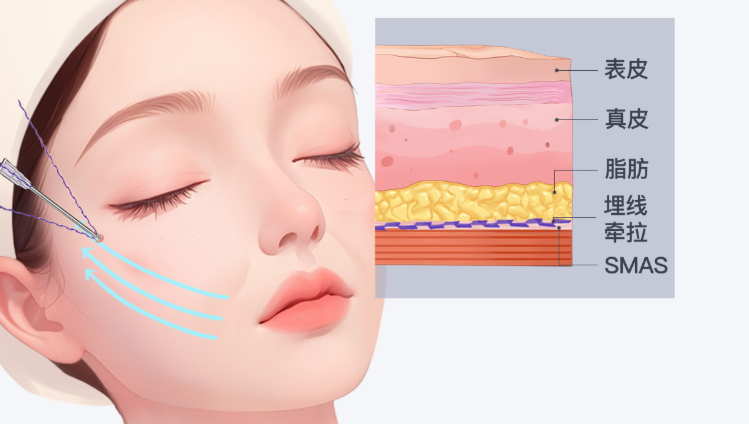
- Ulthera / Ultraformer: Uses focused ultrasound to heat the SMAS layer, resulting in a tightening effect. The results can last for 1 to 2 years. These treatments are relatively expensive; Korean reference prices: ⩺1,500,000 to ⩺3,000,000.
- Hyaluronic acid fillers: Used to fill nasolabial folds, cheeks, tear troughs, and to enhance the nose. The effects last for 6 to 18 months, depending on the brand and injection site. Korean reference prices: ⩺300,000 to ⩺800,000 per syringe.
IV. How can overseas customers schedule appointments at Korean dermatology clinics? A comprehensive guide to three methods
What if you don’t speak Korean? There are several ways to make appointments nowadays. Here are three of the most common methods, each with its advantages and disadvantages:
Method 1: Schedule through the BeautsGO platform (recommended for overseas customers)
BeautsGO is a Korean medical aesthetics appointment platform dedicated to serving overseas customers. It connects users with high-quality dermatology clinics in various areas of Seoul. For customers from Taiwan and other countries, this is the most convenient and reliable way to schedule appointments.
Three steps to schedule through BeautsGO:
- Download the BeautsGO app: It supports iOS, Android, and WeChat Mini Programs. After opening the app, you can filter clinics by location (such as Jiangnan, Hongda, Myeongdong, Itaewon), treatment type, and price range. Each clinic comes with detailed information, doctor qualifications, actual prices, and customer reviews for your reference.
- Choose a clinic and treatment: Once you’ve selected a clinic, pick the desired date and time to submit your reservation request. The app will display the available appointment times for that clinic, making it easy to plan your schedule.
- Wait for confirmation: After submitting your reservation, the BeautsGO team will assist in confirming it with the clinic. You should receive a confirmation within 1 to 2 working days. Once the reservation is confirmed, you will be provided with pre-treatment instructions in Chinese, and on the day of the treatment, a dedicated staff member will assist you throughout the process.
BeautsGO’s greatest strengths are its transparent pricing, comprehensive Chinese-language support, and high reservation success rate. All clinics listed on the platform have been thoroughly verified, so you don’t have to worry about encountering unlicensed beauty institutions. Additionally, the platform offers a membership points store and exclusive discount promotions, and regular customers can enjoy additional benefits when making repeat purchases.
Method 2: Book through the official LINE account
If you prefer to communicate via LINE, you can also book and consult directly through our official LINE account:
- LINE reservation link: https://line.me/R/ti/p/@901taiqf
- Service details: You can directly inform us on LINE about the treatment you want, the desired date, and your budget range. We will then recommend suitable clinics and assist you with making the reservation.
- Suitable for: Customers who prefer instant messaging, have specific questions they would like to discuss first, or need assistance with Chinese-Korean translation.
The advantage of booking through LINE is the high efficiency of communication, allowing for one-on-one discussions about your needs and concerns. This option is particularly suitable for newcomers who are not familiar with Korean cosmetic procedures and need detailed explanations.
Method three: Booking via Gmail email
If you prefer to provide detailed information via email, you can also book this way:
- Email: [email protected]
- Recommended email content: Please include the following information to help us arrange your appointment more qui
- ckly—
– The treatment you wish to undergo (such as hyaluronic acid inject
- ions, Botox, picosecond lasers, etc.)
– - The desired appointment date and time
- – The number of people attending (if th
- ere are multiple attendees)
– Whether you speak Korean or English
– Any previous cosmetic experience or allergy history
- ckly—
Email booking is suitable for overseas customers who need to attach skin photos for consultation, prefer written records, or have large time differences that make real-time communication difficult. We usually respond within 24 hours.
V. On the day of the appointment: Important tips for beginners
Once you have made a reservation, there are several key things to remember before and on the day of the appointment:
Preparations before the appointment
- Things to avoid one week before the procedure: exfoliation, chemical peels, hair dyeing, saunas, and other irritating treatments.
- Things to avoid three days before the procedure: taking aspirin, vitamin E, or alcoholic beverages (these can increase the risk of bruising).
- Advice on the day of the procedure: come without makeup or skincare products, wear easy-to-change clothing, and bring your passport (some clinics require identification).
- Documenting before the procedure: Taking photos of your skin before the treatment is important for comparing results afterward.
The process of visiting a clinic
The general process for visiting a Korean dermatology clinic is as follows:
- Filling out a questionnaire: This includes basic information, allergy history, previous cosmetic procedures, and current medications. If you don’t understand the Korean, a translator will assist you.
- Skin examination: The clinic will usually use a skin analysis device like VISIA to conduct a thorough check-up before the doctor develops a treatment plan.
- Consultation with a doctor: Based on your needs and the examination results, the doctor will recommend suitable treatments. This is the perfect time to ask any questions and clarify any concerns.
- Confirming the treatment plan and fees: The treatment should only begin after both parties have agreed on the details and prices; there should be no additional charges after the procedure.
- Treatment duration: Depending on the procedure, it can range from 20 minutes to 2 hours.
- Post-treatment care instructions: The doctor will provide guidance on postoperative precautions and may also offer samples of skincare products.
VI. Post-treatment Care Guide: How to maintain the results longer?
Completing a cosmetic treatment is just the first step; proper aftercare is crucial for achieving optimal results. Here are key points for post-treatment care, depending on the procedure:
- For injectable treatments (hyaluronic acid, Botox, etc.):
–- Avoid water and makeup for 4–6 hours after the procedure.
– On th - e same day, refrain from strenuous exercise, bending over, or massaging
- the injection site.
– For one week, avoid saunas - , hot springs, and alcohol.
– After Botox injections, avoid rubbing the face for a week to prevent the medication from spreading.
- Avoid water and makeup for 4–6 hours after the procedure.
- For laser treatments (ultrapulse, freckle remov
- al lasers, etc.):
– Redness and mild swelling may occur 1–3 days - after the procedure; this is normal.
– Apply high SPF50+ sunscreen daily; physical sun protection (hat, - mask) is recommended.
– Increase hydration an - d use gentle skincare products.
– Avoid irritating ingredients (acids, retinol, whitening products) for at least one week.
- al lasers, etc.):
- For radiofrequency treatments (ultrasonic, T
- hermage, etc.):
– Mild swelling and redness may appear 1–2 week - s after the procedure.
– Results are gradual and usually peak 2 - –3 months later.
– Avoid hot environments (saunas, baths) for at least two weeks.
- hermage, etc.):
Special note: Due to the dry climate in Korea, especially during autumn and winter, proper moisturization is even more important after treatment. Prepare high-hydrating skincare creams and sunscreen before your trip.
VII. Frequently Asked Questions from International Customers
Q1: Can I go without knowing Korean?
Absolutely. Most clinics booked through BeautsGO offer Chinese translation services, and our LINE and Email support can also assist throughout the process. If there is a translator present during the treatment, it will go very smoothly.
Q2: Can I have multiple treatments done at the same time?
Yes, but there are some combinations that are not recommended. For example, hyaluronic acid injections and Botox can be done on the same day, but lasers and injections are not advised to be performed on the same day. It is best to discuss specific combination options with your doctor during the consultation, as they will provide professional advice based on your skin condition and needs.
Q3: Is there a risk of misunderstandings due to language barriers at Korean dermatology clinics, which could result in incorrect treatments?
For clinics booked through official platforms, the treatments and plans will be confirmed before the visit. If you are concerned about communication, it is recommended to choose clinics that offer Chinese translation services, or to book through BeautsGO and LINE, where we will assist you throughout the process.
Q4: Can I use my credit card for medical treatments in Korea?
Most clinics accept Visa and Mastercard, and some also support UnionPay. It is advisable to check the foreign transaction fees associated with your credit card before traveling. Some banks offer cash back on overseas transactions, so you might be able to save some money this way.
Q5: How soon after a treatment can I fly home?
For minor treatments such as hyaluronic acid injections and Botox, you can fly the next day. For laser treatments, it is recommended to wait 2–3 days after the procedure, as the dry air in the airplane may affect recovery. For procedures like ultrasound therapy or Thermage, it is suggested to wait at least 3–5 days for observation.
Q6: How much does medical beauty treatment cost in Taiwan compared to Korea?
Below is a comparison of the prices of common treatments in Taiwan and South Korea (for reference only; actual prices may vary depending on the clinic and brand):
- Hydrofiller injections: Taiwan: NT$8,000–15,000 vs South Korea: ₩150,000–300,000 (approximately NT$3,600–7,200)
- Botox per treatment area: Taiwan: NT$3,000–5,000 vs South Korea: ₩50,000–80,000 (approximately NT$1,200–1,900)
- Ultra-short pulse lasers: Taiwan: NT$12,000–25,000 vs South Korea: ₩200,000–500,000 (approximately NT$4,800–12,000)
- Hyaluronic acid per syringe: Taiwan: NT$12,000–25,000 vs South Korea: ₩300,000–800,000 (approximately NT$7,200–19,200)

VIII. Summary: A step-by-step guide for your first visit to a dermatology clinic in South Korea
Finally, here is a concise checklist to ensure you don’t miss anything:
- Determine your needs: First, decide what treatment you want and estimate your budget.
- Choose how to make an appointment: BeautsGO App (most recommended), LINE official account, or Email (xiaoyoufan31@gmail.com).
- Book in advance: It is recommended to book at least 1–2 weeks before your trip, especially during peak seasons (summer vacation, end of year).
- Preoperative preparations: Stop taking aspirin and vitamin E; avoid fruit acid skin treatments; make sure you have a natural face for the procedure.
- During the treatment: Bring your passport, follow the doctor’s advice, and confirm the costs before starting the procedure.
- Postoperative care: Protect your skin from the sun, keep it moisturized, avoid irritants, and follow the doctor’s instructions for recovery.
Korean cosmetic procedures are indeed affordable and professional, but you need to do your research and find the right providers. I hope this guide will help those going to Korea for cosmetic treatments for the first time avoid unnecessary detours and have a smooth and successful experience. If you have any questions, feel free to contact us via LINE or email; we would be happy to assist you in planning your trip.