I. What are Thermage FLX and CPT? Why are they being compared together?
🔍 Thermage is the most well-known brand of non-invasive anti-aging treatments under Solta Medical in the United States, and multiple generations of this technology have been released over the years. Among them, “CPT” and “FLX” are the two versions most frequently compared in the market. Both work on the same principle: they use Monopolar RF technology to heat the Collagen in the deeper layers of the skin, thereby achieving a tightening and lifting effect. However, there are significant differences between the two in terms of technical details, treatment experience, and price.
🏥 Thermage CPT (also known as “Gold Radio Waves”) was launched relatively early and belongs to the third or fourth generation of this technology; it is still being used in some clinics in South Korea today. Thermage FLX (also known as “Phoenix Radio Waves”) is a newer, fourth-generation upgraded version that incorporates the AccuREP™ intelligent energy optimization technology, resulting in significant improvements in treatment efficiency, comfort level, and the stability of results.
📊 Simply put: CPT represents the older generation of technology, while FLX is currently the mainstream option. However, this doesn’t mean that CPT is inferior – the price difference between the two is quite significant. Given South Korea’s excellent cost-performance ratio in the medical aesthetics industry, CPT may still be a viable choice for some people. This article will provide a comprehensive comparison from four aspects: technical principles, pain levels, treatment outcomes, and prices, to help you make the most informed decision.
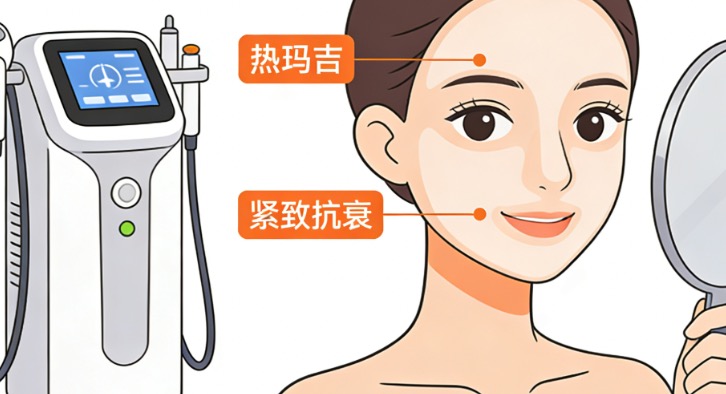
▲ Thermage FLX device and intelligent multi-functional probe
II. Thermage FLX vs CPT: Differences in Technical Principles
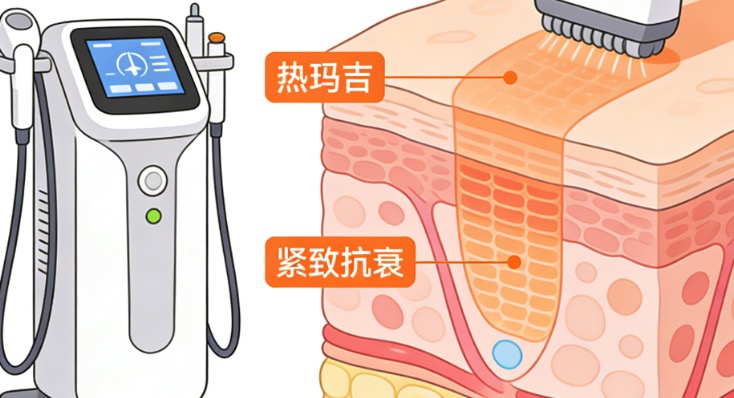
⚙️ Both of these techniques rely on the same fundamental principle: Monopolar RF. By using electromagnetic waves to penetrate the outer layers of the skin, heat is generated in the dermis and the SMAS layer, with ONDO reaching temperatures of 65°C to 75°C. This causes Collagen to contract immediately and then continue to proliferate over time, thereby achieving a tightening and lifting effect.
🧬 The most significant technological advancement of FLX is the AccuREP™ technology, which enables the device to automatically detect the current impedance of the skin before each pulse of energy is delivered. Based on these measurements, the system adjusts the energy parameters in real-time to ensure that each pulse delivers exactly the right amount of energy—neither too little to reduce effectiveness, nor too much to cause unnecessary thermal damage.
📏 In comparison, although CPT also utilizes Comfort Pulse Technology™ to reduce discomfort, its energy delivery mode is relatively fixed – physicians must manually adjust the settings based on their experience, without the real-time automatic calibration capabilities of FLX. This means that the effectiveness of CPT treatments relies more on the individual skills and experience of the practitioner, while FLX clearly boasts a higher level of intelligence in this regard.
💡 The specific differences are summarized as follows:
| Comparison Items | Thermage CPT (Gold Radiofrequency) | Thermage FLX (Phoenix Radio Waves) |
|---|---|---|
| Generations of technology | Third Generation/Fourth Generation | Fourth-generation upgraded version |
| Radiofrequency technology | Monopolar RF + Comfort Pulse | Monopolar RF technology combined with AccuREP™ intelligent optimization system |
| Energy regulation | The doctor makes manual adjustments. | Each detection is automatically followed by immediate correction. |
| Treatment time | Approximately 60–90 minutes (for the entire face) | Approximately 45-60 minutes for the entire face, saving 25% in time. |
| Depth of Effect | Dermis + Fascia (approximately 2.4–4.3 mm) | The dermis layer plus the fascia layer (about 2.4–4.3 mm) provide greater stability. |

▲ Thermage’s monopolar radiofrequency technology acts on the dermis and fascia layers, heating them to 65-75°C to promote the regeneration of Collagen.
III. Comparison of Probe Design and Treatment Scope
🔧 The treatment tips are the most essential consumables in the Thermage treatment process. Each tip is designed for single-use only and is discarded after use, unable to be reused. This is also one of the main differences between genuine and counterfeit clinics: genuine treatment tips must be opened in the presence of the customer, and they come equipped with unique chips and anti-counterfeiting markings.
📐 In the CPT era, the choice of probes was relatively limited, with mainly three sizes available: full-face probes (3.0 cm²), periorbital probes (0.25 cm²), and body probes (16.0 cm²). With the introduction of the FLX generation, the probe design was significantly upgraded to the “Intelligent Multi-Function Probe 4.0” – a single probe is capable of covering multiple treatment areas, eliminating the need for frequent probe replacements. This is also the main reason why treatment times have been reduced by 25%.
🎯 For customers who wish to undergo treatments for their entire face, neck, and eye area, the advantages of FLX are particularly evident:
1. Full-face treatment (including lower-face lifting): Both CPT and FLX require the use of 900-pulse full-face probes. However, due to the more precise delivery of energy, the actual results achieved with FLX are usually superior to those obtained with CPT using the same number of pulses.
2. Periocular treatment: Both devices come equipped with specialized periocular probes (0.25 cm² in area), but the FLX model offers a lower risk of burns due to its intelligent energy regulation system, making it more suitable for individuals with thin eyelids or sensitive skin.
3. Body treatments (abdomen/arms/Thighs): The CPT’s larger treatment head (16.0 cm²) is ideal for fast treatments on large areas; although the FLX’s intelligent treatment head is slightly smaller in size, its more precise energy control makes it suitable for customers with higher requirements regarding body contours.
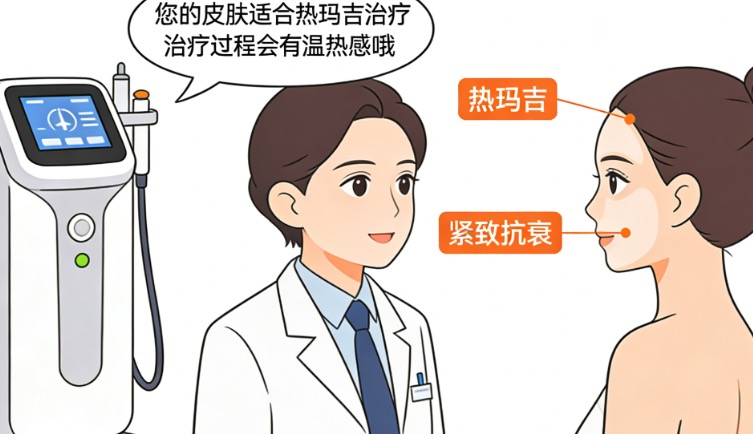
▲ Thermage FLX Intelligent Multi-Treatment Probe 4.0: One probe covers multiple treatment areas.
IV. Pain and comfort: Is FLX really less painful than CPT?
😣 This is a question that many people are most concerned about. To be honest, no matter how much Thermage is upgraded, it is impossible to achieve “complete painlessness” – after all, it has to heat your skin to above 65°C. However, there is indeed a difference in the level of discomfort experienced with FLX and CPT.
🌡️ CPT utilizes Comfort Pulse Technology™, which releases a cooling spray while delivering radiofrequency energy and incorporates vibrations to distract the user. When this technology was first introduced, it was already recognized as “much more comfortable than previous generations.” However, many users still report experiencing noticeable stinging sensations in areas with higher levels of energy delivery, such as the jawline and around the corners of the mouth.
🧊 FLX builds upon this foundation by incorporating a triple combination of AccuREP™, vibration feedback, and a cooling system. Since each dose of energy is immediately detected and adjusted, there is no longer any inconsistency in intensity – such as one dose being too hot while the next is not hot enough. In addition, the treatment time has been reduced by 25%, thereby also decreasing the overall duration of discomfort experienced by patients.
📊 Based on feedback from actual participants, the level of pain is compared as follows:
| Comparison dimensions | Thermage CPT | Thermage FLX |
|---|---|---|
| Average level of pain | 🔥🔥🔥 Moderately strong | 🔥🔥 Medium level |
| Anesthesia method | Generally, the area needs to be numbed for 30 to 40 minutes. | Applying the anesthetic will take only 20 to 30 minutes. |
| Duration of the discomfort | 60 to 90 minutes | 45 to 60 minutes |
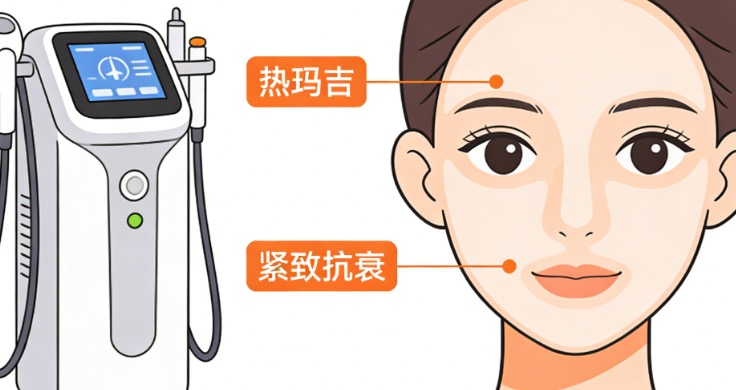
▲ Treatment process of Thermage FLX: Dual pain relief through vibration feedback and cooling spray
V. Differences in treatment effects and duration of effects
✨ To conclude: The effects of FLX are generally superior to those of CPT with the same number of treatments, but the difference is not so significant as to be described as “a world of difference”. The key differences lie in “the predictability of the results” and “the stability of the treatment outcomes”.
📈 The therapeutic effect of CPT highly depends on the doctor’s experience – skilled physicians can achieve results close to those achieved by FLX by manually adjusting the parameters, while less experienced doctors may end up with suboptimal results due to overly conservative settings. FLX, on the other hand, uses AccuREP™ to automatically optimize the energy levels, ensuring that each treatment delivers a higher “minimum effective result” and reducing variations in treatment quality caused by human factors.
⏳ In terms of the duration of effects, there is not much difference between the two.
1. Immediate effects: Approximately 20%-30% of the Collagen contracts immediately after treatment, resulting in a noticeable sense of tightness right away. Due to the more precise delivery of energy, FLX usually produces more immediate results than CPT.
2. Optimal results: The 3 to 6 months following the procedure are the peak period for Collagen production, during which the effects are most noticeable. The optimal benefits of FLX and CPT last for approximately 6 to 12 months.
3. Long-term effects: Over time, Collagen will naturally be lost, resulting in a gradual decline in the effectiveness of the treatment. It is generally recommended to receive a booster dose every 12 to 18 months. The long-term retention rate of FLX is slightly higher than that of CPT, but further clinical data are needed to confirm this difference.
🔬 If you are interested in understanding the differences in results between different hair counts (900 hairs per graft vs 1200 hairs per graft), you can refer to our comprehensive guide comparing Hot玛吉 900-hair-per-graft and 1200-hair-per-graft treatments. It provides more detailed recommendations regarding the choice of hair count.
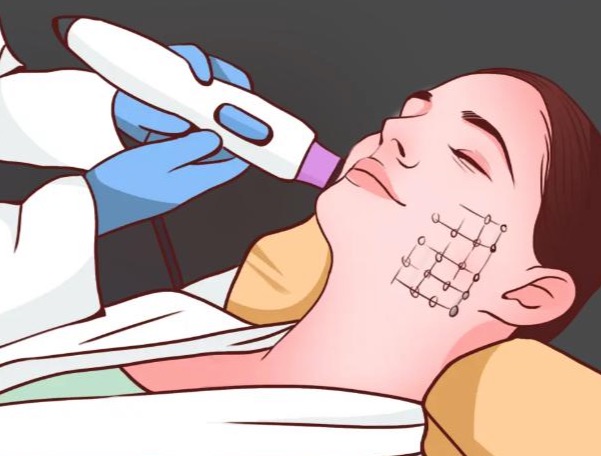
▲ After Thermage treatment, the production of Collagen reaches its peak within 3 to 6 months, resulting in the most noticeable effects.
VI. Price comparison: How much does the difference between FLX and CPT amount to in South Korea?
💰 Price is the main reason why many people choose CPT over FLX. In South Korea’s cosmetic surgery market, the price of FLX is typically 30% to 50% higher than that of CPT, and the specific difference depends on the clinic’s positioning, the qualifications of the doctors, and the location of the clinic.
💸 The following are the reference price ranges for the Seoul area in South Korea (900 shots for the entire face):
| Range | Thermage CPT | Thermage FLX |
|---|---|---|
| Entry-level price | Around ₩800,000 to 1,200,000 | Approximately ₩1,400,000 to 1,800,000 |
| Mid-range prices | Around ₩1,200,000 to 1,600,000 | Around ₩1,800,000 to 2,500,000 |
| High-end prices | Around ₩1,600,000 to 2,000,000 | Approximately ₩2,500,000 to ₩3,500,000 |
⚠️ Note: The above values represent market reference ranges; actual prices may vary due to exchange rates, promotional activities, and individual customization options. It is recommended to check the current quotes through the BeautsGO platform.
📊 It is worth noting that in some clinics in South Korea, the use of CPT has almost come to an end, and most mainstream clinics have completely switched to FLX. However, if the clinic you visit happens to have CPT equipment and there is a significant price difference (for example, a full-face treatment with CPT costing ₩900,000 compared to ₩1,800,000 for FLX), then CPT can still be an option worth considering for customers with limited budgets.
🗺️ If you want to learn more about the analysis of these price differences, you can refer to this article: “Why is the price of Thermage in South Korea three times different? What’s the difference between 3 million South Korean won and 9 million South Korean won?” It provides a more detailed breakdown of the prices.
✅ Here are two Thermage clinics located in Gangnam District, Seoul, for your reference: one specializes in high-end FLX customized treatment plans (ideal for those seeking the best results), and the other focuses on providing genuine products with high cost-performance ratios (suitable for those with limited budgets but still interested in undergoing FLX treatment):
▲ Pind Dermatology: VISIA assessment combined with customized treatment plans developed by the director – ideal for customers seeking the best FLX results.

▲ JD Dermatology: Original probes are opened in front of you; the FLX model with high cost-performance ratio is the top choice.

▲ Environment of the Thermage FLX treatment room at a clinic in South Korea
VII. Should You Choose FLX or CPT? Analysis of Suitable Candidates
🎯 Based on the above analysis, here are some recommendations for choosing the right option according to different needs and budgets:
👑 1. Choose Thermage FLX if you…
• Seek the best treatment outcomes and stability, and do not want the results to be affected by differences in doc
tors’ skills.
• Are more sensitive to pain and prefer a more comfortable tr
eatment process.
• Have limited time and hope that the treatment can be completed in a shorter duration (45–60 minutes versus 60–90 minute
s).
• Have sufficient budget (approximately ₩1,800,000–3,500,000 for a full face treatment with 900 sessions) and are willing to invest in the latest technologies.
• Are considerin
g treatments around the eyes and do not want to take on a higher risk of burns.
💸 2. Choose Thermage CPT if you…
• Limited budget, but still interested in experiencing the effects of Thermage (cost approximately ₩800,000–1,600,000)
• Have a high toleran
ce for pain, or have previously undergone Thermage treatment and are mentally prepared for the process
• No specifi
c restrictions regarding treatment time
• Wish to
start with a lower initial investment to test the effectiveness of the treatment before considering upgrading t
o FLX
• Choose a clinic with a good reputation and experienced physicians to maximize the results of the treatment.
⚠️ 3. Situations that require special attention
🏪 Verify whether the clinic actually uses the FLX model: Some clinics claim to use “Thermage” in their promotions, but in reality, they may be using the CPT model or even older versions. The genuine Thermage FLX device will have the “FLX” label on its panel, so you should ask to confirm the device model before the treatment begins.
🔒 Verify that the probe is an original genuine product and open it in front of you: Whether it’s an FLX or a CPT probe, it should always be a single-use original product. Before the treatment begins, make sure the staff opens the package in your presence to confirm that the probe is properly packaged and that its anti-counterfeiting labels are intact. If the clinic refuses to open the package in front of you for any reason, leave immediately.
📋 Not sure how to proceed with the reservation process? We recommend checking out the “South Korea Dermatology Reservation Guide” first – it provides a detailed step-by-step guide from selecting a clinic to confirming your reservation.
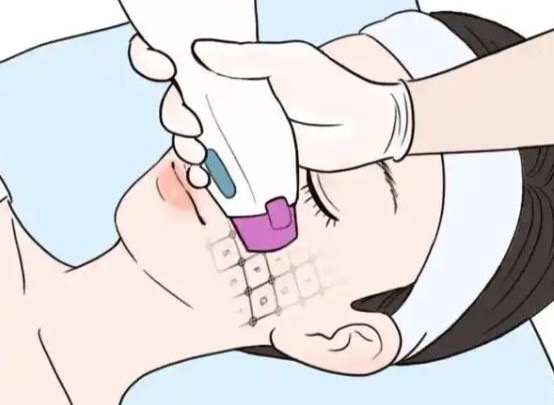
▲ A thorough preliminary consultation is a crucial step in ensuring the safety and effectiveness of the treatment.
VIII. Frequently Asked Questions
1. Is the effect of FLX really much better than that of CPT? 🔬
The differences in effectiveness are mainly reflected in “stability” and “predictability”, rather than a definite “significantly better performance”. Under the same number of treatments (900 sessions) and the same energy settings, FLX, thanks to the intelligent optimization provided by AccuREP™, has a higher minimum effective threshold. This means that even when used by less experienced physicians, the effectiveness of FLX will not be reduced due to improper energy settings. However, when operated by experienced physicians using CPT, the difference in effectiveness is not significant.
2. Has CPT been discontinued? Can South Korea still produce it? 🤔
Around the world, CPT is gradually being replaced by FLX, and many clinics in certain countries and regions have already fully switched to FLX. However, in South Korea, a small number of clinics still use CPT equipment, mainly to attract customers with limited budgets. If you plan to undergo CPT treatment in South Korea, it is recommended that you first check through BeautsGO to confirm whether the clinic still offers CPT services and what the price range is.
3. Is FLX really that much more expensive than CPT? Is it worth it? 💰
If your budget permits (the difference in cost ranges from approximately ₩600,000 to ₩1,200,000), FLX is usually a more worthwhile option for three main reasons: ① The treatment takes 25% less time, saving you travel time; ② The pain level is much lower, resulting in a significantly better overall experience; ③ The results are more stable, so you don’t have to worry about spending money without seeing noticeable effects. However, if your budget is extremely limited, CPT combined with an experienced doctor is still a viable option.
4. For my first Thermage treatment, should I choose CPT or FLX? 🌟
It is recommended to choose FLX directly. Customers undergoing Thermage for the first time usually lack psychological preparation for the pain involved, and the level of discomfort associated with CPT might be intimidating. FLX offers greater comfort and stability, making it more suitable for newcomers and ensuring a more positive initial experience. If you are satisfied with the results and decide to continue in the future, you can then consider other options based on your experience.
5. How long after the FLX treatment can I wear makeup again? And how soon can I fly on an airplane? ✈️
You can apply makeup on the same day after the procedure, but it is recommended to wait at least 2–3 hours until the redness subsides before doing so. Flying is completely safe – Thermage is a non-invasive treatment, and the slight redness that occurs after the procedure (which usually disappears within 1–2 hours) does not pose any risk to flight safety. It is advised to avoid drinking alcohol and engaging in strenuous exercise within 24 hours after the treatment. For more post-treatment precautions, please refer to the detailed guide on the recovery period after Thermage treatment in South Korea.
6. Why is there such a big difference in the prices of FLX treatments at some clinics? ⚠️
The price differences of FLX in South Korea are mainly due to four factors: (1) the location of the clinic (Gangnam versus Hongdae/Myeongdong, which can result in price differences of 20%-30%); (2) the qualifications of the doctor performing the procedure (whether it is performed by the clinic director personally or by a regular doctor); (3) whether additional services are included (such as VISIA scans, post-treatment repair masks, or transportation arrangements); and (4) any promotional activities. It is recommended not to rely solely on price—the cheapest options often indicate a lack of medical experience on the part of the doctor or the use of non-original equipment. For more detailed information on price ranges and clinic recommendations, please refer to the comprehensive guide to Seoul I’s Thermage FLX treatments.
7. What is the price difference between Thermage in South Korea and Taiwan? 🇰🇷🇹🇼
According to market research, the price of the FLX full-face treatment in South Korea is approximately 40%-60% of the cost in Taiwan. Even when including airfare and accommodation expenses, the total cost of undergoing this treatment in South Korea may still be lower than that in Taiwan. For detailed price comparisons and travel itineraries, please refer to our article “How much cheaper is Thermage in South Korea compared to Taiwan? A comprehensive price comparison for 2026”.
IX. How to Make an Appointment
📱 If you are interested in the Thermage FLX treatment program mentioned in this article, you can make an appointment in the following ways:
👍 Our top recommended reservation method
Long-press to scan the QR code, or search for the WeChat ID to add it. Please note in the remarks: “South Korea Medical Aesthetics Appointment”.
WeChat ID: F394666
- It is recommended to make a reservation 1-2 weeks in advance, as the number of spots is limited during peak periods.
- If you need to change the scheduled time, please notify us at least 48 hours in advance.
- After making the reservation, please pay attention to the reply via LINE or email to confirm that the reservation has been successfully processed.
X. Related Reading Recommendations
How to choose between Thermage 900 and 1200? A comprehensive guide.
Compare in detail the effects, prices, and target audiences of different hair transplant options.
Seoul Thermage FLX Comprehensive Guide | A Side-by-Side Comparison of 13 Clinics
A side-by-side comparison of prices, doctors, and facilities at 13 clinics in Gangnam.
A comprehensive analysis of the recovery period after Thermage treatment in South Korea (changes occurring 1–30 days after the procedure)
Postoperative precautions, recovery time, and tips for daily care.
Are there any side effects to Thermage in South Korea? 5 risks and precautions to consider
The risks that doctors most frequently warn about, and how to avoid side effects.
How much cheaper is the Thermage device in South Korea compared to Taiwan? A comprehensive price comparison for 2026.
Analysis of price differences between South Korea and Taiwan, as well as tips on how to save money.
A Comprehensive Guide to Making an Appointment at a Dermatology Clinic in South Korea (From Selection to Confirmation)
A comprehensive step-by-step guide from selecting a clinic to completing the reservation process.