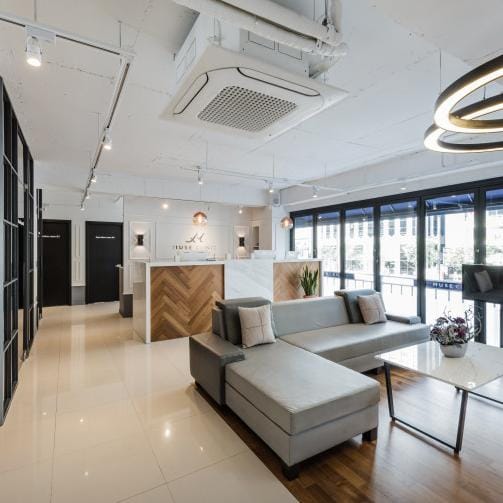
▲ Live operation of the genuine Thermage FLX device in South Korea
I. Does Thermage really make the skin feel stiff after treatment? Let’s first understand the scientific principles behind it.
🎯 “Will my face become stiff after getting HIFU treatment?” This is the biggest concern for many people who are considering HIFU for the first time. On social media platforms like Dcard, PTT, and REDnote, it’s common to see posts sharing experiences like “my face feels tight and unnatural after the treatment,” which often discourages people from trying it. But what is the truth?
🔬 First and foremost, we need to clarify one thing: Thermage is a radiofrequency (RF) technology, not botulinum toxin nor a filler. Its mechanism of action involves using high-frequency electromagnetic waves to generate heat, heating the dermis to approximately 65°C. This causes Collagen to contract immediately and stimulates the regeneration of new Collagen over the following 3 to 6 months. Throughout this process, the mobility of the facial muscles is not affected in any way – your facial muscles can continue to function normally.
💡 So why do some people find it “stiff”? In fact, this is a common misconception regarding post-treatment sensations. The “tightness” felt in the face after Thermage treatment is a natural reaction resulting from the contraction of Collagen when heated, similar to the slight tightness of the skin after taking a hot shower, only more pronounced. According to clinical observations by Dr. Kim Jae-won, a Dermatology specialist from Gangnam District in South Korea, this sensation is not actually muscle stiffness but rather a temporary tightening at the skin level. Most people gradually adapt to it within 3 to 7 days.
⚠️ The medical beauty treatment that can actually cause facial “stiffness” is Botox, which relaxes muscles by blocking nerve signals. Thermage, on the other hand, operates at a completely different level – it acts on the dermis and subcutaneous tissue, and does not even affect the facial nerves. Therefore, from a scientific perspective, properly administered Thermage treatment cannot lead to facial stiffness.
📊 However, there is indeed a rare scenario: if the practitioner sets the energy level too high or the probe stays in one area for too long, it may cause excessive thermal damage to the local soft tissues, resulting in more severe swelling. If this swelling occurs in the Buccal Fat or jaw area, it can make the face appear “stiff” for 1 to 2 weeks after the procedure. But this stiffness is not due to muscle tension; rather, it is a temporary effect caused by the swelling. For more information about the side effects and risks of Thermage, you can refer to this detailed article: “Does Thermage Have Side Effects in South Korea? 5 Risks and Precautions.”
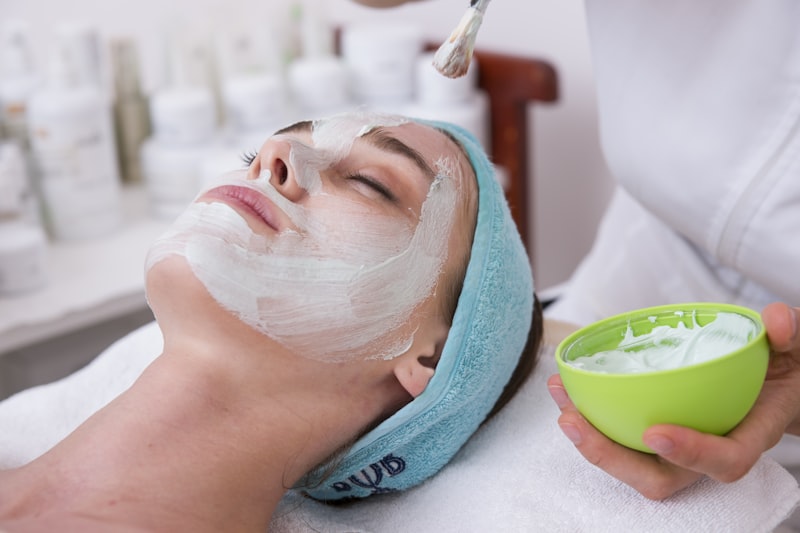
▲ Schematic showing how Rima Ji’s facial sensations change over time after the procedure
II. Detailed record of facial sensations after the procedure: A 30-day timeline from tension to relaxation
📅 Many people fly to South Korea, undergo Thermage treatment, and then immediately go shopping or eat barbecue. However, the changes that occur to their skin actually follow a specific process over time. The following timeline is compiled based on clinical observations from multiple Dermatology departments in South Korea as well as feedback from real patients:
1. Within 0 to 24 hours after the procedure: A warm sensation + mild swelling 🔥
🩺 Immediately after the Thermage treatment, the treated area will appear a uniform pink color and feel warm to the touch (similar to a mild sunburn). At this stage, the skin is extremely sensitive, and some people may experience a “swollen” sensation, especially in areas with thinner skin such as the eye contour and Nasolabial Fold Correction region. South Korean doctors typically apply a medical soothing mask immediately after the procedure to help reduce heat and relieve discomfort.
✨ For most people, the redness usually subsides significantly within 2 to 6 hours after the procedure. However, for those with sensitive skin, it may last until the next day. It is not recommended to apply makeup during this period, and you should also avoid touching your face.
2. On the 2nd to 3rd day after the procedure: This is when the tension becomes most noticeable 😬
📌 This is the stage when the most people report feeling their skin feeling tight. The skin begins to show obvious signs of dryness and tightness—especially when making facial expressions such as smiling or frowning, it feels like the skin on the face is not as flexible as before. The intensity of this sensation varies from person to person:
- For those under 35 years old with relatively elastic skin, the sensation of tightness is usually mild, and it takes only 2 to 3 days to adjust.
- 2. People over 45 years old with more noticeable skin laxity: Since the contraction of Collagen is more significant, the sense of tightness may be more intense and last for 5 to 7 days.
- 3. For people with dry skin: After the procedure, there is a more noticeable loss of moisture, and the sense of tightness is combined with dryness, so it is essential to enhance moisturization.
💧 At this stage, the most important thing is to keep the skin hydrated. Clinics in South Korea usually recommend the use of medical-grade moisturizing products containing Hyaluronic Acid (Filler) and ceramides. Applying these products 2 to 3 times a day can help relieve tension and discomfort.
3. On days 4 to 7 after the procedure: The sense of tightness gradually subsides 🌿
🌞 Most people will notice that their faces regain their normal “flexibility” by the 4th to 5th day, and the noticeable pulling sensations will disappear. However, the skin may still feel slightly dry, and it may appear to be “thicker” than before the procedure – this is a normal reaction as Collagen begins to reorganize itself.
💄 By the 5th to 7th day, it is safe to resume normal makeup application and daily skin care routines. During this period, mild peeling may occur, especially on the Forehead and chin; under no circumstances should you try to rub off the dead skin manually. Simply apply a mild moisturizing lotion to allow the skin’s natural exfoliation process to take place.
4. Weeks 2 to 4 after the procedure: Entering the “trough period” 📉
⚠️ This is a very crucial yet often overlooked stage. Many people notice in the 2nd to 3rd week that “the effects seem to have disappeared” – the noticeable tightening sensation experienced in the first week after the procedure seems to fade away. This is completely normal and is medically referred to as the “Valley Phase”.
🔍 The reason is as follows: The immediate tightening effect after Thermage treatment is due to the physical contraction of Collagen (the thermal effect), while the truly lasting tightening results come from the formation of new Collagen, a process that takes 3 to 6 months to complete. Weeks 2 to 4 are precisely the transitional period during which the effects of the old Collagen’s contraction begin to fade, while the new Collagen has not yet fully formed. For more detailed information about this recovery period, please read this comprehensive analysis of the Thermage recovery process in South Korea (changes occurring 1 to 30 days after treatment).
5. From 1 to 6 months after the procedure: Collagen continues to be regenerated ✨
🌟 From the very first month, you will gradually notice that the contours of your face become clearer and the lines of your jaw become more defined. The peak effect usually occurs between the 3rd and 6th months, by which time the newly produced Collagen has completed its reorganization, and the skin’s firmness and glow reach their optimal state. The effects can last for 1 to 2 years, depending on individual factors such as age, lifestyle, and post-treatment care.
▲ Comparison of the time it takes for different age groups to experience the effects of Thermage treatment
III. Why do some people end up with a “squareer” or “less natural” face after getting cosmetic procedures?
🤔 Besides the “stiffness” issue, another frequently discussed topic is “the face becoming asymmetrical after HIFU treatment.” Many people have shared their experiences on platforms like REDnote and PTT. So, what exactly is going on?
📐 First of all, it is important to understand that the purpose of Thermage treatment is to tighten loose skin, not to change the shape of the face. However, if the contraction of Collagen after treatment is uneven, or if swelling occurs in specific areas, it may result in temporary changes to the facial shape. Here are some possible reasons for this:
1. Swelling concentrated in the lower face: If the energy level set during treatment for the chin line and Buccal Fat area is too high, postoperative swelling may make the face appear more “square” than usual. This type of swelling usually subsides within 3 to 5 days, and the face will return to its normal shape.
2. Uneven Collagen contraction: If the operating physician moves the probe at different speeds, the degree of Collagen contraction on the left and right sides of the face may vary slightly, resulting in an “unnatural” appearance 1 to 2 weeks after the procedure. However, as the Collagen regenerates evenly over time, this issue usually resolves on its own within 1 to 2 months.
3. The use of non-standard equipment or improper operation: This is the most risky scenario. When using counterfeit equipment (fake Thermage probes) or having treatments performed by unlicensed physicians, unstable energy delivery or uneven application of the cooling gel can lead to excessive local heating or even minor burns, resulting in prolonged swelling or asymmetrical outcomes. This is precisely why it is essential to choose reputable clinics and certified physicians for such procedures.
4. Synergistic effects when combined with other treatments: Some people may undergo Thermage + Filler treatment or Thermage + thread lifting on the same day. Different treatments may affect each other and impact the post-treatment results. It is recommended to consult a doctor in detail to ensure that there is an appropriate interval between these treatments.
🏥 It is worth noting that legitimate Dermatology institutions in South Korea follow strict standardized procedures when performing Thermage treatments. These procedures include pre-treatment skin assessment, personalized adjustment of treatment parameters, standardized movement speeds of the treatment probes, and immediate post-treatment cold compresses. Such measures significantly reduce the likelihood of unsatisfactory results after the procedure. If you are interested in understanding the price and quality differences between Thermage treatments in South Korea and Taiwan, you may refer to the article “How much cheaper is Thermage in South Korea compared to Taiwan? A comprehensive price comparison for 2026”.

▲ Standard Thermage treatment environment in Dermatology departments of Seoul, South Korea
IV. Advantages of Thermage treatment in South Korea: Why do fewer regular clinics experience side effects such as stiffness?
As a global leader in medical aesthetics technology, South Korea possesses several key advantages in the use of Thermage, which enable it to significantly reduce post-treatment discomfort.
1. Genuine equipment + certified original probes ✅
🔑 Nearly 100% of legitimate Dermatology clinics in South Korea use the original Thermage FLX equipment, equipped with factory-made probes. These probes come equipped with built-in ONDO sensors and vibration warning systems that automatically adjust the energy output when the surface skin temperature becomes too high, significantly reducing the risk of burns. Counterfeit probes, on the other hand, lack this safety feature, which is the main reason for serious side effects such as blisters and burns after treatment. To understand the full differences between FLX and the older CPT model, you can read this article: “What are the Differences Between Thermage FLX and CPT in South Korea? A Comparison of Effects, Pain Levels, and Prices.”
2. The doctors have extensive experience and follow standardized procedures 👨⚕️
📋 Dermatologists in Gangnam District, Seoul perform hundreds or even thousands of Thermage treatments each year and possess extensive practical experience in setting the appropriate energy levels and controlling the movement of the probe according to different skin types. The standardized treatment process includes: pre-treatment assessment of specific areas of the skin → measurement of energy gradients → uniform application of the treatment across different areas → immediate post-treatment cooling to reduce discomfort. This standardized approach ensures that Collagen contraction is even, helping to avoid any uneven or unnatural results.
3. Comprehensive post-treatment care system 🩺
📞 Renowned Dermatology clinics in South Korea typically provide follow-up care after procedures: a telephone call on the 3rd day to assess recovery, and an online follow-up consultation on the 7th day (including photo evaluation). In case of any abnormal swelling or discomfort, the clinic will provide immediate treatment recommendations. Such a comprehensive post-procedure care system is lacking in many clinics in other regions.
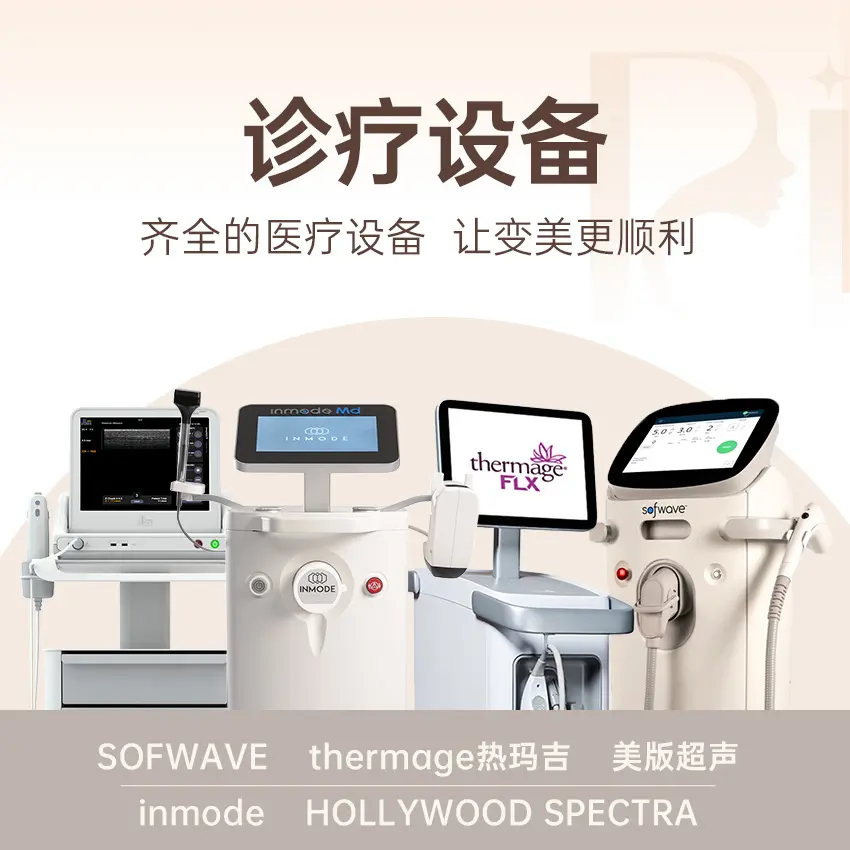
▲ Illustrated guide to post-treatment care for Thermage in South Korea
4. Provide comprehensive Chinese-language services 🀄
🗣️ For foreign patients, language barriers are an important factor that can affect the safety of their treatment. Many popular Dermatology clinics in South Korea, such as PPEUM Dermatology and Oganacell Dermatology, have staff who can provide translation services in Chinese or offer consultation in Chinese. This ensures that there are no language obstacles throughout the entire process, from pre-treatment consultations to post-treatment follow-ups. It also enables doctors to accurately understand your skin condition and your desired treatment results, and helps you fully comprehend every detail of the post-treatment care. If you want to find out which clinic offers the best Chinese-language services, please refer to our comparison of the top 5 popular cosmetic clinics in Seoul in 2026.

V. Comprehensive Post-Surgery Recovery Guide: 7 Key Steps to Accelerate Healing
📋 The following are the recovery guidelines generally recommended by doctors after Thermage treatment at Dermatology clinics in South Korea:
1. Within the first 72 hours after the procedure: Apply ice packs + use mild moisturizing products 🧊 — On the first day after the surgery, you can use a cold towel or ice pack (wrapped in gauze) to apply intermittent ice compresses to the treated area for no more than 10–15 minutes at a time. Also, use medical-grade hyaluronic acid-based moisturizers 2–3 times daily.
2. Week 1: Strict sun protection + avoid high temperatures ☀️ — Always apply SPF 50+ physical sunscreen when going out, and wear a hat or mask as well. Saunas, hot springs, and hot yoga are strictly prohibited — high external temperatures can destroy the precise thermal effects created by Thermage in the dermis, directly reducing the effectiveness of the treatment.
3. In the first 2 weeks: Temporarily avoid active skincare ingredients 🚫 — Refrain from using irritating substances such as retinol, alpha hydroxy acids (AHAs), or salicylic acid (BHA), as these can increase skin sensitivity after the procedure and slow down recovery rather than accelerate it.
4. Within the first 72 hours: Avoid drinking alcohol 🍷 — Alcohol causes blood vessels to dilate, exacerbates facial swelling, and increases the risk of inflammatory reactions, thereby delaying tissue recovery.
5. Within 1 month after the procedure: Drink plenty of water and consume foods rich in Collagen 💧 — Ensure to drink at least 2000 ml of water daily, and eat more foods rich in vitamin C (such as oranges and kiwifruits) and protein (such as eggs and fish), to provide the necessary nutrients for the production of new Collagen.
6. Avoid strenuous exercise (for the first week) 🏃 — Excessive sweating can irritate the sensitive skin after the procedure, potentially causing discomfort or mild inflammation.
7. Regular follow-up appointments 📱 — In South Korea, clinics usually arrange a telephone check-up on the 3rd day after the procedure and an online follow-up appointment on the 7th day to ensure that recovery is progressing normally.
▲ Visual overview of the 7 key recovery rules after Thermage treatment
VI. Frequently Asked Questions
1. How long after getting a Thermage treatment can one wash their face normally? 🧼
💧 6 to 8 hours after the procedure, you can gently wash your face with warm water. Use a mild facial cleanser and avoid rubbing the treated area too hard. For the first 24 hours, refrain from using any facial cleansers that contain active ingredients.
2. Can I take a flight immediately after the Thermage procedure? ✈️
🛫 Sure. Thermage does not affect blood circulation like surgery does; it is considered clinically safe 48 to 72 hours after the procedure. However, when flying, it is important to drink plenty of water to stay hydrated, avoid alcohol, and apply a moisturizing essence before boarding. For more travel tips and recommendations, please refer to the complete guide for Seoul Thermage FLX treatments.
3. How long will it take for the tightness to go away? 😬
⏱️ For most people, the sense of tightness gradually subsides within 3 to 7 days after the procedure. However, for those over 45 years old or those with more pronounced skin laxity, the tightness may persist for 7 to 10 days. This is a normal reaction due to the significant contraction of Collagen and is not considered a side effect.
4. After receiving the Thermage treatment, small particles appeared on my face. Is this normal? 🔍
✅ Everything is normal. In a small number of cases (about 5%), some individuals may experience the appearance of small granules or lumps at the site of treatment 2 to 5 days after the procedure. This is a temporary phenomenon associated with the deep collagen remodeling process and usually resolves on its own within a week, requiring no special treatment.
5. How long does it take to see the final results after a Thermage treatment? 📆
🌟 The immediate effects (Collagen contraction) can be felt right after the procedure, but the truly lasting results require the completion of Collagen regeneration – this usually occurs 3 to 6 months after the treatment. For individuals aged 35 to 44, the optimal results are typically achieved in about 3 to 4 months; for those over 45 years old, it may take 4 to 6 months. For more information on how the number of treatments selected affects the outcomes, please read “How to Choose Between 900 and 1200 Treatments with Thermage?” for a comprehensive guide.
6. Why is there such a large price difference for Thermage in South Korea? 💰
💵 In South Korea, the prices of Thermage treatments range from 500,000 to 2 million Korean won. The main differences in price are determined by three factors: 1. Whether genuine FLX equipment and original probes are used; 2. The number of treatment sessions (300, 600, 900, or 1,200 sessions); 3. The location of the clinic (prices in Gangnam tend to be higher than in other areas). For more detailed information, read “Why is the price of Thermage treatments in South Korea three times different? What’s the difference between 3 million and 9 million Korean won?”
7. Can Thermage be used in combination with other treatments? 🔗
🤝 Sure, but it’s recommended to arrange the intervals carefully. The combination of Thermage and HIFU is quite common; these two technologies act at different depths (dermis versus SMAS fascia), so they complement each other effectively. However, if you also plan to undergo fillers or thread lifting, it’s advisable to discuss in detail with your doctor the optimal sequence and timing of these procedures.
VII. Let me share with you how I make my appointments.
If you are interested in the services mentioned in this article, you can make an appointment in the following ways:
The recommended reservation method
Long-press to scan the QR code, or search for the WeChat ID to add. Please note in the remarks: “South Korea Medical Aesthetics Appointment”.
WeChat ID: F394666
💡 Don’t know how to make an appointment with a Dermatology clinic in South Korea? You can start by checking out our comprehensive guide on how to schedule an appointment with a Dermatology clinic in South Korea – from choosing the right clinic to confirming the appointment. The guide provides detailed information on the entire process.
- It is recommended to make a reservation 1-2 weeks in advance, as the number of spots is limited during peak periods.
- If you need to change the scheduled time, please notify us at least 48 hours in advance.
- After making the reservation, please pay attention to the reply via LINE or email to confirm that the reservation has been successfully processed.
VIII. Related Reading Recommendations
A comprehensive analysis of the recovery period after Thermage treatment in South Korea (changes occurring 1–30 days after the procedure)
From the first day after the surgery to one month later, thoroughly document the changes in your face and the key points of post-operative care.
Are there any side effects to Thermage in South Korea? 5 risks and precautions to consider
A comprehensive analysis of the potential risks associated with Thermage – how to avoid unnecessary side effects
What are the differences between South Korea’s Thermage FLX and CPT?
Compare effects, pain levels, and prices side by side to help you choose the right version of the device.
How much cheaper is the Thermage device in South Korea compared to Taiwan? A comprehensive price comparison for 2026.
A comprehensive comparison of the prices, quality, and services of Thermage in Taiwan and South Korea
Which clinic in South Korea offers the best Chinese-language service for Thermage treatments?
A practical comparison of 5 popular cosmetic surgery clinics in Seoul in 2026 – seamless communication in Chinese
A Comprehensive Guide to Making Appointments at Dermatology Departments in South Korea
From choosing a clinic to confirming the appointment, a step-by-step guide to completing the entire process